How to Store Leftovers Safely: A Complete Guide
Storing leftovers safely means cooling them fast, using proper containers, and keeping your fridge at the right temp. Here's how to avoid waste and stay healthy.
The safest way to store leftovers is to cool them within two hours, transfer to shallow airtight containers, and refrigerate at or below 40°F. This simple routine cuts down on bacteria growth and keeps your food fresh longer.
Whether you're meal prepping or saving restaurant extras, knowing how to store leftovers safely is key to avoiding food waste and staying healthy. The right refrigerator makes it easier, with consistent temperatures and enough space for proper airflow. Below, we break down the steps and recommend fridges that help you follow best practices.

Cool Leftovers Quickly
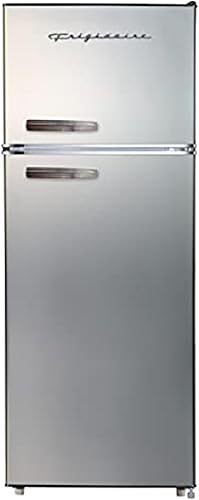
Bacteria multiply fastest between 40°F and 140°F, so the goal is to cool leftovers to below 40°F within two hours. Divide large pots of soup or stew into shallow containers (two inches deep or less) to speed cooling. You can also place the container in an ice bath or use a rapid chill setting if your refrigerator has one. Avoid putting hot food directly in the fridge if it might raise the internal temperature above 40°F, but modern fridges handle warm dishes fine as long as you space them out. The Frigidaire EFR753-PLATINUM (7.5 cu ft) has strong compressor cooling and good airflow to help, according to buyer feedback.
Use Airtight Containers
Airtight containers prevent moisture loss, odor transfer, and cross contamination. Glass or BPA free plastic with tight sealing lids are ideal. For liquids, leave a little headspace for expansion. Label each container with the date and contents so you know when to eat it. Most leftovers stay good three to four days in the fridge. If you freeze them, use freezer safe containers and remove as much air as possible. A refrigerator with adjustable shelves, like the Frigidaire FRQG1721AV (5.5 cu ft), makes it easy to fit various container sizes without stacking them precariously.
Keep Your Refrigerator at the Right Temperature
Your fridge should stay at or below 40°F, ideally around 37°F. Use an appliance thermometer to check, especially if your fridge lacks a digital display. Overfilling blocks airflow and causes warm spots, so leave space between containers. Models with consistent cooling, like the Samsung RF18A5101SR/AA (18.0 cu ft French door), get high marks from long term owners for maintaining steady temps even when packed. The frost free defrost helps avoid freezer burn in the freezer section too.
Organize Leftovers for Easy Access
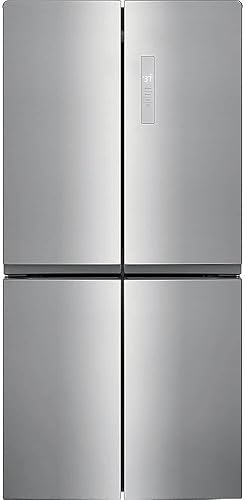
Store leftovers on the middle or top shelves, not in the door where temperatures fluctuate. Place older items in front so you grab them first. Use clear containers or designate a shelf just for leftovers. This cuts down on food waste because you'll actually see what needs eating. A spacious fridge like the Haier QHE16HYPFS (16.8 cu ft side by side) offers ample door bins and shelves to keep everything visible. Buyers appreciate the quad door layout that keeps leftovers separate from raw ingredients.
When in Doubt, Throw It Out
If leftovers smell off, look slimy, or have been in the fridge longer than four days, toss them. Reheat to an internal temperature of 165°F and only reheat once. Never taste food to check if it's still good; when in doubt, discard it. This rule is especially important for meat, dairy, and cooked grains. A reliable refrigerator helps extend shelf life, but it can't guarantee safety past that window.
Freeze Leftovers for Longer Storage
Freezing stops bacteria growth and keeps leftovers safe for months. Portion into meal sized amounts, label with the date, and use within three months for best quality. Thaw in the fridge overnight, never on the counter. A fridge with a good freezer section, like the Frigidaire EFR753-PLATINUM (top freezer), makes it easy to freeze and find items. Manual defrost means less frost buildup, though you'll need to defrost occasionally. Buyers report this model's freezer holds plenty of containers.
Choose a Refrigerator That Supports Safe Storage
The best refrigerator for leftovers is one with consistent temperature, adequate capacity, and flexible shelving. Look for models with high buyer satisfaction over time. The Frigidaire EFR753-PLATINUM (7.5 cu ft, 4.1 stars from 586 reviews) is a top pick for its size and price. For larger households, the Samsung RF18A5101SR/AA (18.0 cu ft, 3.9 stars from 23 reviews) offers French door convenience. The Frigidaire FRQG1721AV (5.5 cu ft, 4.3 stars from 268 reviews) fits smaller kitchens. All help you store leftovers safely when used correctly.
Frequently asked questions
How long can leftovers stay in the fridge?
Most leftovers are safe to eat for three to four days when stored at or below 40°F. After that, bacteria can grow even if the food looks and smells fine. Label containers with the date so you know when to toss them.
Can I put hot food directly in the refrigerator?
Yes, modern refrigerators can handle hot food. However, it's best to cool large quantities first by dividing into shallow containers or using an ice bath. This prevents raising the fridge temperature and keeps your leftovers safe.
What is the best container for storing leftovers?
Airtight containers made of glass or BPA free plastic work best. They prevent moisture loss and keep odors contained. For freezing, use containers labeled freezer safe and leave headspace for expansion.
How do I reheat leftovers safely?
Reheat leftovers to an internal temperature of 165°F, using a food thermometer to check. Only reheat once, and avoid reheating in slow cookers or steam tables. Stir liquids halfway to ensure even heating.