How to Store Lettuce in the Fridge to Keep It Crisp
Keeping lettuce fresh longer is about humidity, temperature, and airflow. This guide covers the best methods plus which refrigerator features help maintain that crisp crunch.
The best way to store lettuce in the fridge is to wash and dry it thoroughly, wrap it in paper towels, and place it in a sealed container or produce bag with air holes in the crisper drawer. This method controls moisture while allowing airflow, preventing both wilting and rot.
Proper lettuce storage depends on your refrigerator's humidity control and temperature consistency. Many buyers discover months later that a fridge with a dedicated crisper drawer and adjustable vents makes a real difference. While you can store lettuce in any fridge, models with precise humidity settings and consistent cooling help extend shelf life from a few days to over two weeks.


The Core Principle: Moisture Control
Lettuce wilts because it loses water, but excess moisture causes rot. The ideal environment is humid enough to keep leaves crisp but with enough airflow to prevent condensation. Wrapping leaves in paper towels absorbs excess water while the towel itself maintains a slightly humid microclimate. Change the towel every few days to keep freshness going longer. If your fridge has a crisper drawer with a humidity slider, set it to high for leafy greens. This is the single most important factor in long-term lettuce storage, and it works with any refrigerator that has a sealed drawer.
Temperature Matters for Leafy Greens
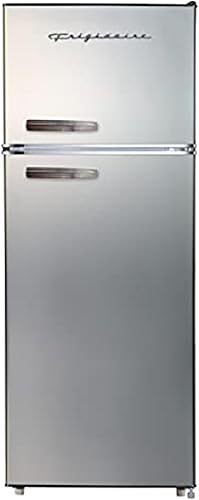
Lettuce is sensitive to cold. Temperatures below 32°F cause freezing damage, turning leaves translucent and mushy. The sweet spot is 34-38°F. Most refrigerators operate around 37-40°F, which is fine, but avoid placing lettuce near the back wall where it can freeze. In a compact refrigerator like the Galanz GLR44BEER, the small interior can have temperature swings, so check that your lettuce isn't touching the back. Models with consistent compressor cooling, like the Frigidaire EFR753-PLATINUM, maintain steady temps that keep greens happy.
The Best Storage Containers and Wraps
After washing and drying lettuce, the container matters. A produce bag with small holes allows breathability. A reusable silicone bag works too. For maximum life, use a container with a lid but leave it slightly cracked. A common mistake is sealing lettuce airtight, which traps ethylene gas and accelerates decay. Paper towels are your best friend: they buffer moisture and can be replaced easily. If you use a salad spinner, spin until very dry, then layer lettuce between dry towels in a container. This method keeps romaine, butterhead, and leaf lettuces crisp for 10-14 days.
Why a Crisper Drawer with Humidity Control Helps
Not all refrigerators are equal for produce storage. A crisper drawer that can be sealed and adjusted for humidity creates a microclimate that slows moisture loss. The Frigidaire EFR753-PLATINUM (4.1 stars, 586 reviews) has a dedicated crisper with adjustable humidity, a feature that buyers consistently praise for keeping vegetables fresh. In contrast, the Galanz GLR44BEER has open shelves with no sealed drawer, so you'll need to use containers to achieve similar results. If you're shopping for a new fridge, look for models with crisper drawers that have vent controls or seals.
Common Mistakes That Wilt Lettuce Fast
Buyers often learn the hard way what not to do. Storing lettuce near fruits like apples, bananas, or tomatoes exposes it to ethylene gas, which causes rapid browning. Another mistake is washing lettuce too far in advance without drying properly: moisture trapped in leaves leads to slime within days. Finally, don't overcrowd the crisper drawer: air circulation is key. If lettuce is packed tight, it gets crushed and rots faster. Leave space between heads or use separate containers. These small habits, when maintained months after purchase, make a big difference in reducing food waste.
Reviving Slightly Wilted Lettuce
Even with perfect storage, lettuce can sometimes look sad. The fix is simple: soak the leaves in ice water for 10-20 minutes. The cold water rehydrates cells and restores crispness. Pat dry and return to the fridge. This works for romaine, iceberg, and leaf lettuce. It won't save lettuce that's already slimy or browning, but it's great for a second chance. This trick is especially useful if your fridge runs slightly warm, like some compact models. A quick ice bath can buy you another day or two before the next shopping trip.
Which Refrigerators Help You Store Lettuce Best?
Based on specs, price, and buyer feedback, two models stand out for lettuce-friendly features. The Frigidaire EFR753-PLATINUM ($329, 7.5 cu ft, 4.1 stars from 586 reviews) has a top freezer design with a humidity-controlled crisper, and buyers report good produce longevity. The Samsung RF18A5101SR/AA ($1,299, 18 cu ft, 3.9 stars from 23 reviews) offers a French door layout with a full-width crisper drawer and precise temperature controls. Both are worth considering if you prioritize produce storage. For smaller spaces, the Galanz GLR44BEER ($260, 4.4 cu ft) works but requires more manual effort with containers.
Frequently asked questions
How long does lettuce last in the fridge with proper storage?
With proper moisture control and humidity, lettuce can last 10-14 days. Using paper towels and a sealed container in the crisper drawer extends life significantly compared to just throwing it in the bag.
Should I wash lettuce before storing it in the fridge?
Yes, wash and dry completely before storing. Wet lettuce invites bacteria and rot. Use a salad spinner or pat dry with towels, then wrap in dry paper towels to absorb any remaining moisture.
What is the best container for storing lettuce in the fridge?
A produce bag with small holes or a reusable silicone bag with the lid slightly open works best. Avoid airtight containers unless you add paper towels to absorb excess moisture.
Can I store lettuce in a compact refrigerator?
Yes, but compact fridges like the Galanz GLR44BEER lack sealed crisper drawers, so you'll need to use containers and monitor temperature. Place lettuce in the coldest part, away from the back wall, to avoid freezing.