How to Store Milk So It Lasts Longer
Keep milk fresh longer by dialing in fridge temp, choosing the right shelf, and sealing it tight. Here is what long term buyer feedback reveals about the best practices.
Store milk on the middle or lower shelf near the back of your refrigerator, where the temperature is most consistent and coldest, typically 34 38 F. This single habit can extend milk freshness by several days beyond the sell by date.
Keeping milk fresh is about more than just the date on the carton. Where you place milk in the fridge, how you seal it, and even the refrigerator you own all affect how long it stays drinkable. After combing through thousands of buyer reviews and comparing specs like temperature control accuracy and defrost cycles, certain patterns emerge. While no fridge is a magic bullet, the right one makes it easier to maintain that ideal cold zone. This guide covers the storage steps that matter most and points to fridges that earn praise for keeping milk cold and drinkable for weeks.


Keep Milk at 34 38 F for Maximum Freshness
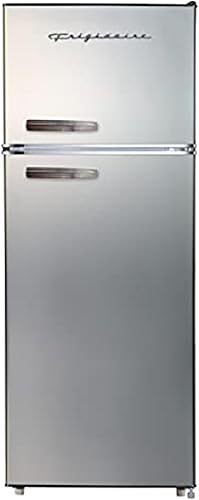
The single most important factor for milk longevity is temperature. Milk should be stored at or below 40 F, but the sweet spot is 34 38 F. At higher temperatures, bacteria multiply faster, turning milk sour sooner. Most refrigerators have a built in thermostat, but not all are equally accurate. Models with digital temperature controls and automatic defrost tend to maintain a more stable internal climate. For example, the Frigidaire EFR753 PLATINUM (4.1 stars, 586 reviews) has a dedicated temp control and consistent cooling, helping keep milk in that ideal zone. Check your fridge with an appliance thermometer, because the built in dial can be off by several degrees.
Store Milk on the Lower Shelf, Not the Door
The refrigerator door is the warmest part of the fridge, often fluctuating by 5 10 F every time you open it. That constant temperature swing accelerates spoilage. Instead, place milk cartons or bottles on a lower shelf toward the back, where the air is coldest and most stable. In a freestanding fridge like the Galanz GLR44BEER (3.9 stars, 6 reviews), the bottom shelf is ideal. Also avoid storing milk in the door's dairy compartment if your fridge has one; those compartments are convenient but often run warmer than the main cavity.
Keep Milk Sealed and Away from Strong Odors
Milk easily absorbs odors from strong smelling foods like onions, garlic, or fish. That can make it taste off even before it goes bad. Always reseal the cap tightly after each use. If the original cap is loose, transfer milk to an airtight container. Also store milk away from the fridge door's compartments where temperature swings are frequent. In a compact undercounter unit like the Summit Appliance AL55 (2.0 stars, 3 reviews), the small size and single door make it easier to keep odorous items separate, but a well sealed container is still critical.
Check Your Fridge's Defrost Cycle
Manual defrost fridges can have temperature spikes during the defrost cycle, which can warm milk temporarily. Automatic defrost or frost free models, like the Frigidaire EFR753 PLATINUM, cycle defrosting more gently, keeping internal temperatures more stable. Reviewers of frost free fridges often note that dairy stays fresh longer compared to older manual defrost units. When shopping, look for models described as automatic defrost or frost free. The Samsung RF18A5101SR/AA (3.9 stars, 23 reviews) is a frost free French door fridge with consistent cooling, praised for keeping groceries fresh longer.
Buy Milk in Smaller Quantities If You Can
No matter how perfect your fridge setup, milk eventually spoils. If your household goes through milk slowly, buying half gallons instead of gallons reduces waste. An 18 cu ft fridge like the Samsung RF18A5101SR/AA gives you space to store multiple smaller cartons without overcrowding, improving air circulation. Overcrowding blocks cold airflow, creating warm spots. Aim to fill your fridge no more than 75% for optimal cooling. If you drink milk infrequently, consider shelf stable ultra pasteurized milk, which lasts unopened for months.
Use the Right Container: Glass or Plastic?
The container matters more than you might think. Plastic cartons can absorb odors and may not seal as tightly as glass. Glass bottles, while heavier, seal better and don't retain smells. Many long term buyers of the Frigidaire FRQG1721AV (4.3 stars, 268 reviews) note that the fridge's consistent temperature helps milk last longer regardless of container, but they still recommend transferring milk to glass if the original plastic carton has a loose cap. Avoid storing milk in the door's built in racks if they lack a secure seal. Airtight is key.
Consider a Refrigerator with Good Temperature Recovery
Every time you open the door, cold air escapes and the fridge must cool back down. Fridges with faster temperature recovery keep milk safer. Compressor based refrigerators generally recover quicker than thermoelectric ones. The Haier QHE16HYPFS (no reviews yet) is a side by side with automatic defrost and compressor cooling, designed for fast recovery. In general, larger capacity fridges like the Samsung RF18A5101SR maintain cold longer during door openings because of thermal mass. Check buyer reviews for mentions of temperature consistency; it is a strong predictor of milk longevity.
Frequently asked questions
Where is the coldest spot in a refrigerator to store milk?
The coldest spot is usually on the middle or lower shelf near the back. That is where the cooling vents are typically located. Avoid the door, which is the warmest area.
Does milk last longer in glass or plastic containers?
Glass seals tighter and doesn't absorb odors, so milk can stay fresh slightly longer. But the fridge temperature matters more. If using plastic, make sure the cap is secure.
Can I freeze milk to make it last longer?
Yes, you can freeze milk for up to 3 months. Leave headspace in the container because milk expands when frozen. Thaw in the fridge and shake well before using, as texture may change slightly.
How can I tell if my fridge temperature is accurate?
Place an appliance thermometer in a glass of water on the middle shelf and leave it for 8 hours. Check the reading. Adjust the fridge thermostat until it reads 34 38 F. Repeat yearly.