How to Store Vegetables in the Fridge
Keeping vegetables fresh longer is about more than just tossing them in the fridge. We explain the best practices for humidity, temperature, and choosing a fridge that supports your produce.
The best way to store vegetables in the fridge is to control humidity and temperature by using the crisper drawers, keeping them at 32-40°F, and separating ethylene-producing from ethylene-sensitive produce.
Proper storage can extend the life of your vegetables from days to weeks, saving money and reducing waste. But not all refrigerators are created equal when it comes to produce preservation. Features like adjustable humidity drawers, consistent temperature, and adequate capacity make a real difference. We analyzed specs and buyer feedback on popular fridges to help you choose one that keeps your veggies at their best.


Why Humidity Matters for Vegetable Storage
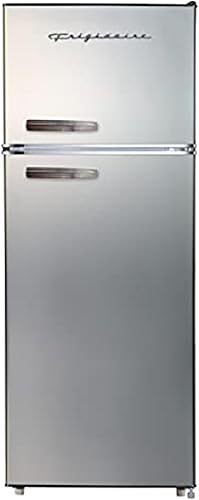
Most vegetables prefer high humidity, around 90-95%, to prevent wilting. Leafy greens, broccoli, and carrots thrive in moist conditions. That is why the crisper drawer is designed to trap moisture. A refrigerator with a sealed humidity slider lets you adjust the airflow. The Frigidaire EFR753-PLATINUM, for instance, has a dedicated crisper with adjustable vents. Buyers with over 580 reviews consistently praise its produce drawer for keeping greens crisp for over a week. Without humidity control, vegetables dry out faster. Look for a model that offers separate humidity settings or at least a well-sealed bin.
Temperature Consistency Keeps Vegetables Crisp
Vegetables store best at a steady 35-40°F. Fluctuations cause condensation and spoilage. A fridge with a compressor cooling system and digital thermostat helps maintain stability. The Galanz GLR44BEER, a compact 4.4 cu ft model, uses a compressor and automatic defrost to keep temperatures even. While its small size limits capacity, it is great for a dedicated vegetable stash. Larger fridges like the Samsung RF18A5101SR/AA (18 cu ft) also offer consistent cooling via multi-zone sensors. Check reviews for mentions of temperature swings, and prioritize models with proven stability.
Separating Ethylene Producers from Sensitive Veggies
Some vegetables emit ethylene gas (like tomatoes, apples, and avocados), which speeds ripening and spoilage in sensitive produce like lettuce, broccoli, and carrots. Store them in separate drawers. A fridge with multiple crisper bins makes this easy. The Frigidaire FRQG1721AV has two humidity-controlled bins, allowing you to set one high for greens and one low for apples. Buyers with over 260 reviews note the convenience of this separation for extending produce life. If your fridge lacks multiple bins, use produce bags to isolate ethylene producers.
Choosing the Right Fridge Size for Your Vegetable Load
A fridge that is too small forces you to cram vegetables, which damages them. A larger model like the Samsung RF18A5101SR/AA (18 cu ft) offers spacious shelves and a full-width crisper. However, if you have limited space, a compact fridge like the Galanz GLR44BEER (4.4 cu ft) can work for a small household, but you will need to shop more frequently. The Frigidaire EFR753-PLATINUM (7.5 cu ft) is a middle ground. Its top freezer design provides ample fridge space, and buyers report it accommodates a week's worth of veggies for two people without overcrowding.
Features That Make Vegetable Storage Easier
Adjustable shelves let you create space for tall items like celery or kale. The Frigidaire EFR753-PLATINUM has three shelves, one of which is adjustable. Reversible doors, like on that model, help with kitchen layout, but do not directly affect storage. Automatic defrost prevents ice buildup that can damage produce. The Galanz GLR44BEER includes auto defrost, while the Frigidaire EFR753 requires manual defrost, which is less convenient. For dedicated vegetable storage, prioritize models with auto defrost and removable bins for easy cleaning.
Long-Term Satisfaction with Your Fridge Choice
Buyer feedback reveals that fridges with consistent temperature and humidity controls yield the most satisfaction months later. The Frigidaire EFR753-PLATINUM has 4.1 stars across 586 reviews, with many buyers still happy after a year, citing produce longevity. The Samsung RF18A5101SR/AA has 3.9 stars from 23 reviews, with early users praising the French door layout for easy access to crispers. Avoid models with low ratings like the Summit Appliance AL55 (2.0 stars) due to reported temperature issues that could harm vegetables. Invest in a fridge that prioritizes produce preservation for long-term payoff.
Quick Setup Tips for Your Vegetable Drawer
Once you have the right fridge, set it up for success. Line the crisper with paper towels to absorb excess moisture. Store leafy greens loosely in a bag with a damp cloth. Do not wash vegetables before storing, as moisture promotes mold. Set the humidity high for most veggies, but low for mushrooms and peppers. Check your fridge's manual for optimal drawer settings. The Frigidaire EFR753-PLATINUM has a clear guide on its crisper controls. Following these steps, combined with a capable fridge, will keep your vegetables fresh for the longest possible time.
Frequently asked questions
Should I wash vegetables before storing them in the fridge?
No, do not wash vegetables before storing. Moisture promotes mold and spoilage. Wash only before eating. Instead, dry them thoroughly if needed, then store in a crisper drawer with a paper towel to absorb excess humidity.
Where is the best place in the fridge to store vegetables?
The crisper drawers are the best place because they maintain higher humidity levels. Most refrigerators have dedicated vegetable bins with adjustable vents. Store leafy greens and delicate veggies there, away from the freezer vents where cold air can cause freezing.
How long do vegetables typically last in the fridge?
Properly stored, most vegetables last 1-3 weeks. Leafy greens last about 5-7 days, root vegetables (carrots, beets) can last 2-4 weeks, and hard squash up to 2 months. Using a fridge with good humidity control extends these times significantly.
Can I store all vegetables together in one drawer?
No, because ethylene-producing vegetables like apples and tomatoes speed ripening of sensitive ones like lettuce and broccoli. Use separate drawers or produce bags to isolate them. Many fridges offer dual crisper bins for this purpose.