How to Tell If Eggs Are Bad: Simple Tests at Home
Wondering how to tell if eggs are bad? Use the float test, sniff check, and visual inspection. Plus, learn why a stable refrigerator temp keeps eggs fresh longer.
The quickest way to tell if eggs are bad is the float test: place an egg in a bowl of water. If it sinks and lies flat, it's fresh. If it stands upright on the bottom, it's older but still safe. If it floats, toss it. That said, no single test is perfect, so combining the float test with a sniff check gives you the best answer.
Eggs can stay fresh for weeks when stored properly, but temperature fluctuations shorten their life. That's why keeping a consistent fridge temperature matters. Most home refrigerators should sit at 40°F or below. If your fridge runs warm, eggs spoil faster. Knowing how to tell if eggs are bad helps you avoid waste and stay safe, especially if you buy in bulk from warehouse clubs or farm stands.


The Float Test Is Your Best First Check
The float test is easy and reliable for how to tell if eggs are bad. Fill a bowl with cold water and gently lower the egg. Fresh eggs sink to the bottom and lie on their side. As air seeps through the shell over time, the air cell inside grows, making the egg more buoyant. An egg that stands upright on the bottom is still okay for baking or hard boiling. But if it floats to the top, bacteria may have entered, so discard it. The test works because eggshells are porous, and older eggs lose moisture and gain air. Combine this with a sniff test for confidence.
The Sniff Test: Your Nose Knows
Crack the egg into a clean bowl and take a whiff. Fresh eggs have little to no smell. If you catch a sulfur or rotten odor, that egg is bad and should go in the trash. The sniff test is the most definitive way to tell if an egg has gone off because spoilage bacteria produce hydrogen sulfide gas. Even if the egg passes the float test, a bad smell means it's unsafe. Always crack each egg separately into a small dish before adding it to your recipe. That way, one bad egg won't ruin the whole batch. This habit saves money and prevents foodborne illness.
Visual Inspection Before Cracking
Look at the shell before you crack it. A clean, intact shell with no cracks or slime is a good sign. If you see powdery mold or sticky residue, that could indicate bacterial growth. Also check the egg white and yolk after cracking. Fresh egg whites are thick and slightly cloudy; the yolk sits high and round. As an egg ages, the white becomes thin and watery, and the yolk flattens. While these changes don't mean the egg is bad, they affect cooking performance. For poaching or frying, fresher eggs hold shape better. For scrambling or baking, older eggs work fine as long as they pass the sniff test.
Check the Pack Date and Sell By Date
Egg cartons have a pack date (Julian date) showing when they were washed and packed. That's more reliable than the sell by or expiration date. The pack date is a three-digit number from 001 to 365. For example, 001 means January 1. Eggs stay fresh for 4 to 5 weeks after that date if refrigerated properly. The sell by date is about store inventory, not safety. Use the pack date as your guide. If you've lost the carton, the float test is your backup. Keep eggs in their original carton on an interior shelf, not the door, where temperatures fluctuate. Consistent cold extends freshness by weeks.
Does Refrigerator Temperature Really Matter?
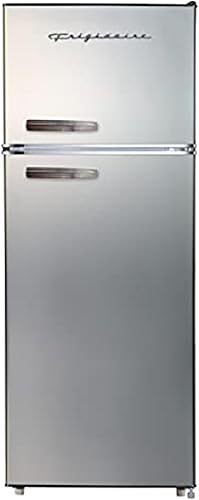
Yes, temperature consistency is critical for egg longevity. Your fridge should stay at 40°F or below. Warm spots or frequent opening cause condensation on shells, which can introduce bacteria. A fridge that runs too warm can cut egg shelf life in half. If your refrigerator struggles to maintain temperature, consider upgrading to a model with reliable cooling. For example, the Frigidaire EFR753-PLATINUM (ASIN B09DTNMTGV) has a 4.1-star rating across 586 reviews and maintains steady temps. The Galanz GLR44BEER (ASIN B07R25WL1F) is another budget-friendly option. A stable environment helps your eggs stay fresh longer, making those freshness checks less urgent.
Long Term Satisfaction: What Buyers Still Like Months Later
Real buyer feedback reveals that consistent temperature is the top factor for egg storage satisfaction. Owners of the Frigidaire EFR753-PLATINUM (4.1 stars, 586 reviews) report that after months of use, the freezer-on-top design keeps eggs fresh without freezer burn. The Samsung RF18A5101SR/AA (3.9 stars, 23 reviews) earns praise for its precise digital controls and even cooling, which buyers say helps eggs last the full five weeks. The Galanz GLR44BEER (3.9 stars, 6 reviews) is small but reliable for a dorm or office. Long term, what matters is a fridge that holds temp, has minimal door opening impact, and stores eggs in the coldest part, not the door.
Common Mistakes That Shorten Egg Life
Many people store eggs in the refrigerator door because of the built in egg tray. That's actually the warmest part of the fridge due to frequent opening. Instead, keep eggs in their carton on a middle or lower shelf. Another mistake is washing eggs before storage. Commercially washed eggs have a protective coating; rewashing removes it and invites bacteria. Also, don't transfer eggs to a different container; the carton blocks light and absorbs moisture. Finally, avoid storing eggs near strong smelling foods like onions or fish, as shells are porous and can absorb odors. Correct these habits and you'll get better mileage from every carton.
Frequently asked questions
Can you eat eggs after the expiration date?
Yes, often you can eat eggs weeks after the sell by date if they've been refrigerated properly. Use the float test and sniff test to check. If the egg sinks and smells fine, it's safe. Commercial eggs are typically good 4-5 weeks beyond the pack date.
What does the float test actually tell you?
The float test measures the size of the air cell inside the egg. As eggs age, moisture evaporates and air replaces it, making the egg more buoyant. A floating egg may have spoiled, so it's best to discard it. Always follow up with a sniff test.
How long do fresh eggs last in the refrigerator?
Fresh eggs kept in a refrigerator at 40°F or below can last 4-5 weeks from the pack date. For best quality, use within 3 weeks. Always store eggs in their carton on a shelf, not the door, to avoid temperature swings.
Is it safe to eat eggs that stand upright in water?
An egg that stands upright on the bottom of a water bowl is older but still safe to eat, especially if cooked thoroughly. It's best for hard boiling, baking, or scrambling. But if the egg floats or smells bad when cracked, discard it.