How to Tell If Fish Is Bad: A Practical Guide
Spoiled fish can ruin a meal and make you sick. This guide covers the key signs of bad fish and how proper refrigerator storage can help maintain freshness.
The best way to know if fish has gone bad is to trust your nose: if it smells sour, ammonia-like, or overly fishy, it's past its prime. But smell isn't the only indicator. Texture changes like sliminess or stickiness and dull or discolored flesh also signal spoilage. Knowing how to tell if fish is bad can save you from foodborne illness and wasted money. Proper refrigeration is your first line of defense. Storing fish at the right temperature (32-38°F) in the coldest part of the fridge slows bacterial growth and extends freshness. This article explains the signs of spoilage and how to pick a refrigerator that keeps fish at its best.

Smell: The First Sign of Spoiled Fish
Fresh fish has a mild, sea-breeze scent, not a strong fishy odor. If you detect a sour, ammonia, or putrid smell, the fish is bad. This odor comes from bacteria breaking down amino acids into trimethylamine. Even if the fish looks fine, don't risk it. When you open a package, sniff immediately. If it's off, discard it. A fridge with good airflow and consistent temperature helps control odors, but no appliance can reverse spoilage.
Texture Changes: Slimy or Sticky Fish
Fresh fish fillets should be firm and spring back when pressed. If the surface feels slimy or sticky, that's a sign of bacterial growth. Rinse the fish under cold water; if the slime returns quickly, it's spoiled. Whole fish should have bright, clear eyes and red gills. Dull eyes and brownish gills indicate age. Proper fridge temperature (below 40°F) slows bacterial growth, but fish stored too long even in a good refrigerator will eventually spoil.
Color and Appearance: Not Just Skin Deep
Fresh fish has vibrant, translucent flesh. For white fish, it should be white or slightly pink; for salmon, bright orange. If the flesh is dull, yellowish, or has dark spots, it's likely old. Bruising or drying around the edges also suggests poor storage. A refrigerator with precise temperature control and a dedicated meat drawer can help maintain fish's appearance longer, but always check before cooking.
Expiration Dates vs. Your Senses
Sell-by and use-by dates are guidelines, not guarantees. Fresh fish typically lasts 1-2 days in the fridge after purchase. Always trust your senses over the date. If the fish smells fine but the date says it's expired, you might still cook it that day. But if the date is fine and the fish smells off, toss it. A fridge that maintains a steady temperature (like models with digital thermostats) helps you get the most out of those dates.
Why Proper Refrigerator Temperature Matters
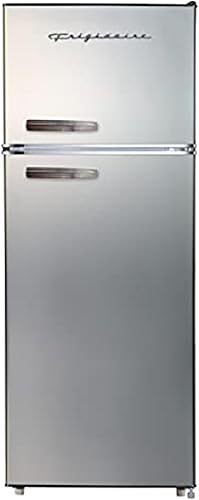
Bacteria grow rapidly between 40°F and 140°F. Your fridge should be at or below 40°F, ideally 32-38°F for fish. Many refrigerators have temperature fluctuations, especially in the door. Store fish in the coldest part, like the back of the bottom shelf or a meat drawer. Some refrigerators, like the Frigidaire EFR753-PLATINUM, have adjustable shelves and consistent cooling that help keep fish at safe temperatures.
How to Store Fish in Your Refrigerator
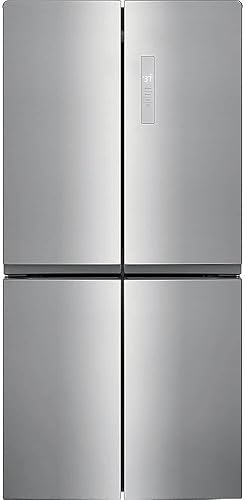
Keep fish in its original packaging or wrap tightly in plastic wrap and place on a plate to catch drips. For best results, put fish on a bed of ice in a shallow dish and cover with plastic. Change ice daily. Never store fish in the crisper drawer where humidity is high; use the meat drawer or a dedicated cold zone. A fridge with a good seal and even cooling, like the Samsung RF18A5101SR/AA with twin cooling, minimizes temperature swings that accelerate spoilage.
Choosing a Refrigerator That Keeps Fish Fresh
If you eat fish often, consider a fridge with features like precise digital temperature controls, a dedicated fresh-food compartment, and good air circulation. The Frigidaire FRQG1721AV has a 5.5 cu ft capacity and a 4.3-star rating on Amazon from 268 reviews, with many buyers noting consistent cooling. For larger households, the Samsung RF18A5101SR/AA (18.0 cu ft, 3.9 stars, 23 reviews) offers twin cooling to prevent odor transfer. Both are good options for keeping fish at its peak.
Frequently asked questions
How long does fresh fish last in the refrigerator?
Fresh fish typically lasts 1-2 days in the fridge if stored properly at or below 40°F. For best quality, cook it within 24 hours of purchase. Freeze fish if you won't use it within two days.
Can I eat fish that smells fishy but looks fine?
No. A fishy or ammonia smell is a clear sign of spoilage, even if the fish looks okay. Bacteria can produce odors before visible changes occur. When in doubt, throw it out.
Is it safe to eat fish after the sell-by date?
It depends on how it was stored. If the fish was kept at a consistent temperature below 40°F and shows no signs of spoilage (smell, texture, color), it may be safe to eat the same day. Otherwise, discard it.
What refrigerator temperature is best for storing fish?
Set your fridge to 34-38°F for fish. This range slows bacterial growth without freezing the fish. Use a refrigerator thermometer to verify accuracy, as built-in dials can be off.