How to Tell If Milk Is Bad
Wondering if that milk in your fridge is still good? Use these simple checks: smell, look, pour, and taste. Plus, learn how your refrigerator's temperature affects freshness.
The fastest way to tell if milk is bad is to smell it. Fresh milk has a mild, slightly sweet scent. If you detect any sour, rancid, or off odor, it's time to toss it. But smell is just one indicator; there are several other reliable methods to check milk freshness.
Knowing how to tell if milk is bad goes beyond the sniff test. Look for lumps, a thick texture, or discoloration. A pour test can also reveal problems: if milk clings to the carton or pours unevenly, spoilage may have started. And of course, check the expiration date, but remember that milk can turn before or after that date depending on storage conditions. Your refrigerator's temperature plays a huge role in how long milk stays fresh, so keeping it at or below 40°F is key.

The Smell Test: Your First Clue
Your nose is the most reliable tool for detecting spoiled milk. Fresh milk has almost no smell, or a very faint milky scent. When milk goes bad, bacteria produce lactic acid and other compounds that create a distinct sour odor. If the milk smells like yogurt, cheese, or just off, it's past its prime. Even if it looks fine, trust your nose. Some people can detect spoilage before any visible changes occur. If you're unsure, ask someone else to smell it too. When in doubt, throw it out.
The Look Test: Visual Signs of Spoilage
Visual cues are easy to spot. Fresh milk is a uniform white or slightly cream color. If you see yellowing, a bluish tint, or any discoloration, that's a warning. Look for lumps or curdling: chunks floating in the milk or a thick, slimy film on top. Sometimes milk separates into watery liquid and thicker cream, which may be normal if shaken, but if it doesn't recombine, it's likely bad. Also check the carton for bulging or leaks, which indicate gas from bacterial growth.
The Pour Test: Texture and Consistency
How milk pours can reveal its condition. Fresh milk flows smoothly and evenly. Spoiled milk often becomes thicker, stringy, or clumpy. Pour a small amount into a clear glass. If it leaves a coating on the glass or has visible chunks, it's spoiled. Also check if it pours slowly or has a watery layer followed by thick milk. These texture changes happen as bacteria break down proteins and fats. If the milk seems even slightly unusual in consistency, it's safest to discard it.
The Taste Test: Only If It Passes the First Three
Taste is the final check, but only use it if the milk passes the smell, look, and pour tests. Take a tiny sip. If it tastes sour, bitter, or has an off flavor, spit it out and discard the milk. Fresh milk should taste mildly sweet and clean. Even a slightly sour taste means spoilage has begun. Don't risk drinking large amounts to check; a small sip is enough. If you're sensitive to sourness, you might detect it even earlier than others.
Expiration Dates: What They Really Mean
Expiration dates are guidelines, not hard deadlines. A sell-by date tells stores how long to display milk; it's usually still good for a few days after. A use-by date is the manufacturer's recommendation for peak quality. Milk can often stay fresh 3-5 days past this date if stored properly in a fridge at 38-40°F. However, if the fridge runs warmer (above 40°F), milk spoils faster. Always rely on your senses more than the date. And remember, once opened, milk should be used within 7 days for best quality.
How Your Refrigerator Affects Milk Freshness
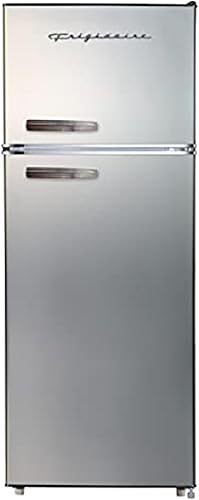
Your refrigerator's temperature consistency directly impacts milk life. The ideal storage temp is 37-40°F. Warmer temps accelerate bacterial growth. Check your fridge's actual temperature with an appliance thermometer. Also, store milk on a middle shelf, not in the door where temps fluctuate. A fridge like the Frigidaire EFR753 (4.1 stars, 586 reviews) offers reliable cooling and adjustable shelves to help maintain even temperatures. If you frequently struggle with spoilage, a refrigerator with good temperature control and auto-defrost is worth considering.
When to Replace Your Fridge for Better Milk Storage
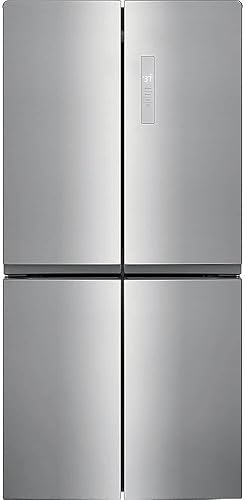
If your milk spoils consistently before the date, your fridge may be the culprit. Older fridges with poor seals or inaccurate thermostats cause warm spots. Upgrading to a model with precise temperature control and auto-defrost can extend milk freshness. Options like the Frigidaire FRQG1721AV (4.3 stars, 268 reviews) or Samsung RF18A5101SR (3.9 stars, 23 reviews) offer consistent cooling. Even a compact unit like the Galanz GLR44BEER (3.9 stars) can be a good backup for milk storage. Investing in a quality fridge pays off in fresher food and less waste.
Frequently asked questions
Can I drink milk that smells a little sour but looks fine?
No. If milk smells sour, it's already spoiled. The bacteria causing the smell are present even if you don't see lumps. Drinking it could upset your stomach. Always trust your nose over your eyes.
How long does milk last after the expiration date?
Milk can stay fresh 3-5 days past the use-by date if stored at 38-40°F. But always check for off odors, lumps, or texture changes. Once opened, use within 7 days for best quality. When in doubt, throw it out.
Does freezing milk extend its shelf life?
Yes, freezing milk can extend its life by 3-6 months. Thaw in the refrigerator and shake well before using. The texture may be slightly grainier, but it's safe for cooking. Do not refreeze thawed milk.
Why does milk sometimes spoil before the expiration date?
Temperature fluctuations are the main cause. If your refrigerator runs above 40°F or if milk is stored in the door (warmer zone), bacteria grow faster. Also, poor handling at the store or home can introduce bacteria. Check your fridge temp and store milk on a middle shelf.