How to Thaw Meat Safely
Thawing meat safely prevents foodborne illness. This guide covers the three USDA-approved methods and how choosing the right refrigerator makes the process effortless.
The safest way to thaw meat is in the refrigerator. This method keeps the meat at a consistent, safe temperature (below 40°F) throughout the process, preventing bacterial growth. Planning ahead is key: a whole chicken can take 24 hours per 5 pounds, so move meat from freezer to fridge the day before you need it.
Knowing how to thaw meat safely is essential for every home cook. Whether you use the refrigerator, cold water, or microwave method, the goal is to keep the meat out of the "danger zone" (40-140°F). A reliable refrigerator with accurate temperature control makes the refrigerator method simple and worry-free. Below, we break down each technique and recommend fridges that help you thaw with confidence.


The Refrigerator Method: Safest and Easiest
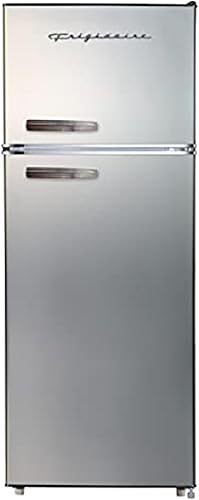
The refrigerator method is the gold standard for thawing meat. It requires minimal effort and keeps the meat at a safe temperature. Simply place the frozen meat on a plate or in a dish to catch any drips, and let it thaw in the fridge. Plan ahead: small items like ground beef thaw in about 24 hours, while larger roasts or whole turkeys need 24 hours per 4-5 pounds. Once thawed, meat can stay in the fridge for another day or two before cooking, giving you flexibility. The key is a refrigerator that maintains a steady 37-40°F. Models with good airflow and consistent cooling, like the Frigidaire EFR753-PLATINUM (4.1 stars across 586 reviews), make this method foolproof.
Cold Water Thawing: Faster but Attentive
If you forgot to thaw meat ahead of time, the cold water method is a faster alternative. Submerge the meat in a leak-proof plastic bag in cold tap water, changing the water every 30 minutes to keep it cold. This method thaws about 1 pound in an hour. It's important to cook the meat immediately after thawing, as the surface can reach temperatures that encourage bacteria growth if left out. The Frigidaire EFR753-PLATINUM's 7.5 cu ft capacity gives you ample space to store the thawed meat promptly. This method is ideal when you need meat ready in a few hours, not overnight.
Microwave Thawing: Quickest Option with Caveats
Microwave thawing is the fastest method, taking minutes instead of hours. However, it can partially cook thin edges of the meat, leading to uneven texture and potential food safety issues if not cooked immediately. Use the defrost setting and follow your microwave's guidelines. Since the meat may start cooking in spots, it must be cooked right after thawing. This method works best for small cuts like ground beef or chicken breasts. For best results, pair with a refrigerator that can quickly chill any partially thawed meat if plans change.
What Not to Do: Avoid These Risky Methods
Never thaw meat on the counter, in hot water, or in the garage or basement where temperatures fluctuate. Leaving meat above 40°F for more than two hours puts it in the danger zone, where bacteria multiply rapidly. Even if the center is still frozen, the outer layer can become unsafe. Always plan ahead with the refrigerator method, or use cold water or microwave if pressed for time. A dedicated refrigerator like the Galanz GLR44BEER (3.9 stars) provides consistent cooling for safe overnight thawing.
How to Choose a Refrigerator for Safe Thawing
A good refrigerator for thawing should have reliable temperature control and enough space. Look for models with adjustable shelves to accommodate large items like a turkey. The Frigidaire EFR753-PLATINUM offers 7.5 cu ft with a freezer top, giving you flexibility to store both frozen and thawing items. The Samsung RF18A5101SR/AA (18 cu ft, 3.9 stars) provides a spacious French door layout with precise digital controls. For smaller kitchens, the Galanz GLR44BEER (4.4 cu ft) is a compact option that still maintains consistent cold temperatures. All these models help you thaw meat safely by keeping temperatures steady.
Long-Term Satisfaction: What Buyers Still Like Months Later
Months after purchase, owners of the Frigidaire EFR753-PLATINUM often praise its consistent cooling and spacious interior for the price. The adjustable thermostat allows fine-tuning for safe thawing. Galanz GLR44BEER reviewers note the retro design and reliable performance for a compact fridge. Samsung RF18A5101SR/AA users appreciate the precise temperature management and ample shelving for large platters. While no fridge replaces proper food safety habits, a dependable unit makes the refrigerator method easy to stick with.
Final Tips for Thawing Meat Safely
Always thaw meat in a container to catch drips and prevent cross-contamination. Cook thawed meat within 24-48 hours (refrigerator method) or immediately (cold water/microwave). Never refreeze raw meat thawed in cold water or microwave without cooking it first. Keep your refrigerator at 40°F or below with a thermometer. The best refrigerators, like those mentioned above, help you maintain these conditions consistently. For more tips on choosing a fridge, check out our guide on the best refrigerators.
Frequently asked questions
How long does it take to thaw meat in the refrigerator?
Small items like ground beef or chicken breasts thaw in about 24 hours. Larger cuts like roasts or whole turkeys need 24 hours per 4-5 pounds. Always place meat on a plate to catch drips.
Can I refreeze meat after thawing?
You can refreeze meat thawed in the refrigerator if it hasn't been out of the fridge for more than 2 days. Meat thawed in cold water or the microwave should be cooked before refreezing.
Is it safe to thaw meat in hot water?
No. Hot water can cause the outer layers of meat to enter the danger zone (40-140°F), promoting bacterial growth. Always use cold water with changes every 30 minutes, or thaw in the refrigerator.
What temperature should my refrigerator be for safe thawing?
Set your refrigerator to 40°F or below. Use an appliance thermometer to verify. Consistent temperature is key for safe, overnight thawing.