Ice Maker Leaking Water? Here’s What to Do
If your ice maker is leaking water, you don’t have to live with puddles. We break down why leaks happen, how to fix them, and which models buyers report stay dry long-term.
An ice maker leaking water is usually caused by a loose water line, a clogged drain, or a misaligned ice tray. The good news: many leaks are simple to fix yourself, and choosing a reliable model can prevent future headaches.
Leaks are one of the top complaints among ice maker owners, but not all machines are equally prone. Countertop models with integrated water tanks, like the ones from NewAir and Danby, tend to have fewer leak reports over time because their plumbing is simpler. Below, we’ll walk through the most common leak sources and how to address them, plus highlight models that real buyers say stay dry months later.


Loose or Damaged Water Supply Line
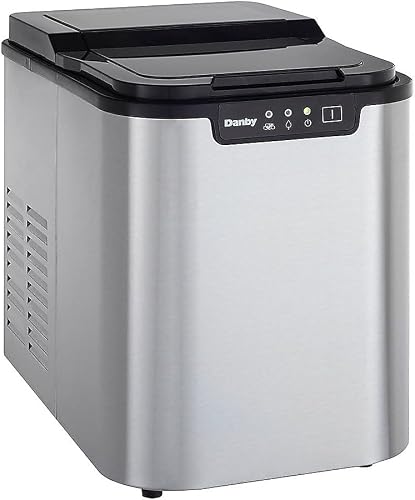
The most common cause of an ice maker leaking water is a loose connection at the water supply line. Over time, vibrations from the machine can loosen fittings. Check the line where it connects to the back of the ice maker and to your home’s water valve. Tighten with a wrench, but don’t overtighten. If the line is cracked or worn, replace it with a braided stainless steel line for durability. Models like the NewAir AI-100S (4.0 stars, 553 reviews) and Danby DIM2500SSDB (4.1 stars, 646 reviews) use standard fittings that are easy to access.
Clogged or Frozen Drain Line
A drain line clogged with mineral deposits or ice can cause water to back up and overflow. This is especially common in hard water areas. To clear it, unplug the ice maker, remove any standing water, and pour a mixture of warm water and vinegar through the drain. For stubborn clogs, use a small brush or pipe cleaner. Prevent future blockages by regularly descaling your machine. The Whynter FIM-450HS (4.1 stars, 49 reviews) has a self-cleaning function that helps reduce mineral buildup.
Misaligned Ice Tray or Bin
If the ice tray or storage bin isn’t seated correctly, water can spill over during the freeze cycle. Check that the tray is level and clicks into place. Some countertop models, like the NewAir AI-100R (4.1 stars, 892 reviews) and AI-100BK (4.0 stars, 1,200 reviews), have removable bins that must be pushed all the way back. If the bin is warped or cracked, replace it. This is a quick visual check that often solves the problem.
Overfilling the Water Reservoir
Many portable ice makers have a max fill line inside the water reservoir. Pouring in too much water can cause overflow during operation. Always fill to the indicated line, not above. Models with automatic shutoff, like the NewAir AI-100SS (4.0 stars, 870 reviews), stop filling once the tray is full, reducing spill risk. If your machine lacks this feature, be extra careful. Empty the reservoir if you notice it’s consistently overfilled.
Faulty Water Inlet Valve
A defective water inlet valve can stick open or closed, causing continuous dripping or no water flow. If you’ve checked lines and drains and still have a leak, the valve may need replacement. This part is typically located at the back of the machine. Replacement valves are inexpensive and available online. Models with higher reliability ratings, like the Danby DIM2500SSDB, tend to have fewer valve failures according to long-term buyer feedback.
Cracked or Worn Seals and Gaskets
Over time, rubber seals around the door or ice chute can crack, allowing water to seep out. Inspect all gaskets for wear. A simple test: close the door on a dollar bill; if you can pull it out easily, the seal needs replacing. Replacement gaskets are model-specific. The NewAir AI-100S, for example, has a well-sealed door that buyers report stays leak-free for years. Regularly clean gaskets with mild soap to extend their life.
When to Call a Professional
If you’ve checked all the above and the leak persists, it may be time to call a technician. Persistent leaks can damage countertops or flooring. Also consider the age of your ice maker: models over 5 years old may have internal cracks in the water tank. If repair costs approach half the price of a new unit, replacement is often smarter. Budget-friendly options like the RCA RIC102-SILVER (3.8 stars, 954 reviews) start under $60 and can be a reliable short-term fix.
Frequently asked questions
Why is my ice maker leaking water from the bottom?
A leak from the bottom usually means the water reservoir is overfilled, a drain line is clogged, or the unit isn’t level. Check the reservoir level, clear any blockages, and adjust the feet to ensure the machine sits flat.
Can a dirty ice maker cause leaks?
Yes, mineral deposits and mold can clog drains and cause water to back up. Regular cleaning with vinegar solution every 3 months helps prevent leaks and keeps ice tasting fresh.
How do I fix a leaking water line on my ice maker?
First, turn off the water supply. Then tighten the connection at the back of the ice maker with a wrench. If the line is cracked, replace it with a braided stainless steel line. Always use plumber’s tape on threads.
Is it worth repairing a leaking ice maker or should I buy a new one?
If the unit is under 4 years old and the repair cost is less than half the price of a new model, repair. For older units or expensive repairs (like a cracked tank), replace. Models like the Danby DIM2500SSDB offer good value at around $120.