How to Set Up Your Kegerator CO2 System
A proper kegerator CO2 setup is the key to consistent draft beer at home. We compare specs, prices, and buyer feedback on top kegerators to help you choose.
A kegerator CO2 setup is the heart of any home draft system. The CO2 tank, regulator, gas lines, and coupler work together to push beer from the keg to the faucet at the right pressure. Getting this right means foam-free pours and lasting freshness.
Whether you are building from scratch or upgrading an existing kegerator, the components must match your keg size and beer style. We looked at dozens of kegerator models on Amazon, comparing specs, prices, and thousands of buyer reviews to find which setups deliver reliable performance months after purchase. This guide walks you through what matters for long-term satisfaction.


Choose the Right CO2 Tank Size
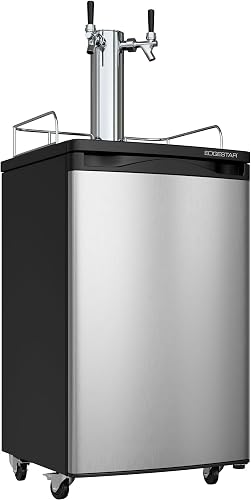
The CO2 tank is the foundation of your kegerator CO2 setup. Common sizes are 2.5, 5, 10, and 20 pounds. A 5-pound tank is the sweet spot for most home users: it fits inside most kegerators and lasts through several kegs. Larger tanks reduce refill frequency but take up more space. The EdgeStar KC2000SSTWIN (4.4 stars from 744 reviews) and Kegco K209SS-1 (4.2 stars from 68 reviews) are popular models that accommodate standard 5-pound tanks. If you plan to carbonate or serve multiple kegs, consider a dual-gauge regulator to monitor tank pressure and line pressure separately.
Match the Regulator to Your Beer Style
The regulator controls the pressure from the CO2 tank to the keg. Most home setups use a single-gauge or dual-gauge regulator. Dual gauges let you see tank pressure (how full the CO2 is) and line pressure (what hits the beer). For ales and lagers, typical serving pressure is 10-14 PSI. Stouts and nitrogenated beers need higher pressure and a stout faucet. The Kegco K209SS-2 (4.5 stars from 27 reviews) comes with a dual-gauge regulator, which buyers appreciate for fine-tuning pours. Avoid cheap regulators with plastic parts; they drift over time. All-metal brass regulators last longer and hold pressure steady.
Select Compatible Keg Couplers and Gas Lines
Keg couplers connect the gas and beer lines to the keg. The most common home type is the D system (ball lock) for homebrew kegs, but commercial kegs use S or D couplers. Check what your kegerator supports. The TRUE TDD-4CT-HC and other commercial units like the Beverage Air BM23C-B use commercial couplers standard. For gas lines, use 5/16-inch ID vinyl or silicone hose; beer lines are 3/16-inch ID. Replace lines every 6-12 months to prevent off flavors. Many buyers of the Kegco K209SS-1 note that swapping lines is simple, a plus for long-term maintenance.
Leak Test Every Connection
A slow CO2 leak can empty a tank in weeks. After assembling your kegerator CO2 setup, pressurize to 30 PSI and spray soapy water on every connection. Bubbles indicate a leak. Tighten or replace washers as needed. The Continental Refrigerator KC90 and other high-end units come with pre-installed lines, but always retest after moving. One reviewer pattern across EdgeStar and Kegco models: owners who leak-test quarterly report consistent carbonation and fewer wasted kegs. A small investment in a leak detection spray saves money and frustration.
Temperature and Pressure Balance for Perfect Pour
Balanced temperature and CO2 pressure prevent foamy pours. Beer should be 38-40°F at the keg. At that temp, CO2 pressure for carbonation is around 12 PSI for most beers. If your kegerator runs colder (say 34°F), lower pressure to avoid over-carbonation. The EdgeStar KC2000SSTWIN has adjustable thermostat control, praised by buyers for maintaining stable temps. The TRUE Manufacturing 27682 (1.0 star from 1 review) is commercial grade but may run too cold for home use. Use a tower cooler or fan to keep lines cold and reduce foaming in the first pour.
Long-Term Maintenance for Consistent Performance
Buyers who are happiest months later follow a simple routine: replace CO2 tank when pressure drops below 300 PSI, clean beer lines every 4-6 weeks, and replace the regulator gasket annually. The Kegco K209SS-2 has a reversible door and electric defrost, making cleaning accessible. The EdgeStar KC2000SSTWIN’s stainless steel tower resists corrosion. Avoid placing your kegerator in direct sunlight or near heat sources; it strains the compressor and affects beer quality. With proper care, a kegerator can serve great beer for years.
When to Upgrade Components
If your current kegerator CO2 setup has issues like inconsistent pours or rapid CO2 loss, consider upgrading. A dual-gauge regulator (around $40-60) adds control. A secondary regulator lets you serve two kegs at different pressures. The Continental Refrigerator models (like KC90) offer multi-tap setups, but are pricey. For most home users, the EdgeStar KC2000SSTWIN provides a solid foundation. Check Amazon reviews: models with low ratings (like TRUE 27682 at 1.0 star) may have quality control issues. Always compare recent feedback to avoid disappointment.
Frequently asked questions
What size CO2 tank do I need for my kegerator?
A 5-pound CO2 tank is the most common size for home kegerators. It fits inside most units like the EdgeStar KC2000SSTWIN and lasts through 3-5 standard kegs before needing a refill. If you have limited space, a 2.5-pound tank works but requires more frequent refills.
How often should I replace CO2 in a kegerator?
A 5-pound tank lasts about 3-6 months depending on usage and whether you carbonate beer. If you only serve pre-carbonated kegs, it lasts longer. Check the tank pressure gauge; refill when it drops below 300 PSI. Always keep a spare tank if you host parties frequently.
Why is my kegerator pouring foam?
Foamy pours usually stem from temperature or pressure imbalance. Ensure beer is at 38-40°F; if warmer, CO2 comes out of solution. Also check CO2 pressure: too high overcarbonates, too low causes flat beer. Clean beer lines and check for kinks. A tower cooler can help if the faucet line warms up.
Can I use a paintball CO2 tank for my kegerator?
Yes, but they require an adapter and hold less gas (typically 24 ounces). They’re fine for portable or occasional use, but for a home kegerator a standard 5-pound tank is more economical. Paintball tanks also need special filling equipment, not available at all gas suppliers.