How to Keep Your Kegerator Pouring Perfect Beer: Maintenance Guide
A clean kegerator means great beer every time. This guide covers the essential maintenance tasks that keep your draft system running smoothly for years.
Regular kegerator maintenance is the key to consistently great draft beer. Without it, you risk off flavors, foamy pours, and costly repairs. A little routine care goes a long way toward long-term satisfaction.
Whether you own a commercial unit like the TRUE Manufacturing 27682 or a home-friendly Kegco K209SS-1, the principles are the same: clean the beer lines, replace the CO2 tank, check the temperature, and inspect seals. This guide walks through the tasks that matter most, based on owner feedback and spec analysis. You will learn what to do and how often, so your kegerator stays reliable pour after pour.
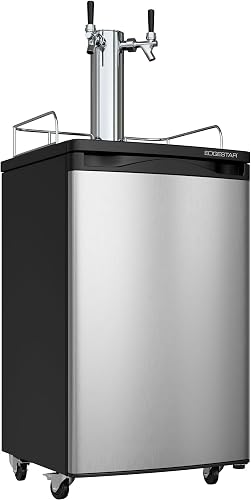


Clean Beer Lines Every 2 Weeks
The single most impactful maintenance task is cleaning your beer lines. Bacteria and yeast buildup can create off flavors and cloudiness. Many owners of the EdgeStar KC2000SSTWIN report that regular line cleaning keeps beer tasting fresh for months. Use a dedicated line cleaning kit with a mild alkaline cleaner. Recirculate the solution through the line for 10 to 15 minutes, then flush with water. If you notice a change in taste or pour quality, clean immediately. For heavy use, every two weeks is ideal; for lighter use, monthly is acceptable.
Check Temperature Settings
Temperature consistency directly affects carbonation and foam. Most kegerators should be set between 36 and 40 degrees Fahrenheit. The Kegco K209SS-1 has a digital thermostat that makes adjustment easy. Use a separate thermometer to verify the actual temperature, because built in gauges can drift. If the beer is too warm it will foam; too cold and it may freeze or lose carbonation. Check the temperature weekly and after any door opening events like parties. Maintaining a steady temperature ensures your beer stays perfect.
Replace CO2 Tank When Low
A kegerator needs CO2 to push beer from the keg to the tap. Running out mid pour is frustrating and can let air into the lines. Keep a spare tank if possible. The typical 5 pound tank lasts for 2 to 4 full kegs depending on pressure settings. Check the pressure gauge monthly; if it drops below 500 psi, it is time to refill. Always use food grade CO2. Some owners of the TRUE Manufacturing 27682 note that a dual gauge regulator helps monitor both tank pressure and line pressure.
Inspect Door Seals for Leaks
A worn door gasket lets cold air escape, making the compressor run more and driving up energy costs. It can also cause temperature swings. Test the seal by closing the door on a dollar bill; if it slides out easily, the gasket needs replacement. Clean the gasket with mild soap and water every few months to remove sticky residue. For units like the Kegco K209SS-2 with a reversible door, check alignment if the door does not close evenly. A tight seal keeps the interior stable.
Change Air Filter on Condenser Coils
Dust on condenser coils reduces cooling efficiency and can shorten the lifespan of the compressor. Many kegerators have a removable air filter. The EdgeStar KC2000SSTWIN owners recommend cleaning the filter every three months. If you have pets or a dusty kitchen, check monthly. Simply remove the filter, vacuum it, or wash with warm water if it is reusable. A clean condenser ensures the kegerator does not have to work overtime.
Sanitize Keg Couplers and Faucets
Beer touches the coupler and faucet every pour, so these need regular sanitization. Remove the faucet and coupler, disassemble if possible, and soak in a no rinse sanitizer like Star San. Do this every time you change a keg. Some owners of the Beverage Air BM23C-B note that stainless steel parts resist buildup better than brass. Rinse thoroughly after sanitizing. A clean faucet prevents sticky residue and ensures a smooth pour.
Schedule Annual Professional Service
Even with diligent home maintenance, an annual checkup by a qualified technician can catch issues early. They can inspect the compressor, refrigerant levels, and wiring. For commercial grade units like the Continental Refrigerator KC90, professional service is recommended due to complex components. The cost is small compared to a major repair. If you notice constant cycling, strange noises, or inconsistent temperatures, call a pro sooner. Preventative care keeps your kegerator running for years.
Frequently asked questions
How often should I clean my kegerator beer lines?
Clean beer lines every two weeks for optimal taste. If you use the kegerator less often, monthly cleaning is acceptable. Always clean immediately if you notice off flavors or foamy pours.
What temperature should a kegerator be set to?
Set your kegerator between 36 and 40 degrees Fahrenheit. This range keeps beer carbonated properly and minimizes foam. Use a separate thermometer to verify, as built in gauges can be inaccurate.
How do I know when to replace the CO2 tank?
Check the pressure gauge monthly. When it drops below 500 psi, it is time to refill. A standard 5 pound tank lasts for 2 to 4 full kegs. Keep a spare to avoid running out mid pour.
Can I use vinegar to clean my kegerator lines?
Vinegar is not recommended for beer lines because it can leave a residual odor and may not effectively remove all buildup. Use a dedicated alkaline line cleaner designed for draft systems.