Mini Fridge vs Full Size Refrigerator: How to Choose
A side by side comparison of mini fridges and full size refrigerators focusing on capacity, price, and real buyer feedback to help you decide which is best for your home or office.
The short answer: Choose a mini fridge if you need a compact, low cost option for a dorm, office, or extra beverage storage. Choose a full size refrigerator if you feed a family or need a primary fridge with freezer space. The right choice depends on how much you need to store and where it will go.
When comparing a mini fridge vs full size refrigerator, the main differences come down to capacity, price, and long term satisfaction. Mini fridges typically hold 1.5 to 7.5 cubic feet and cost $150 to $500. Full size refrigerators start around 10 cubic feet and can exceed $3000. Based on thousands of buyer reviews, mini fridges satisfy those with limited space or supplemental needs, while full size models earn higher marks for family use and daily convenience.


Capacity: How Much Space Do You Need?
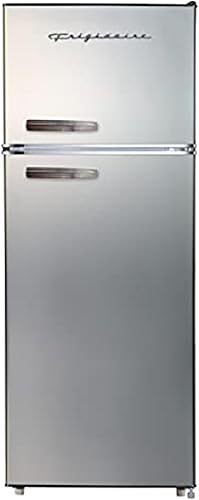
The most obvious difference between a mini fridge and a full size refrigerator is capacity. Mini fridges usually range from 1.5 to 7.5 cubic feet, enough for drinks, snacks, and a few leftovers. For example, the Frigidaire EFR753-PLATINUM offers 7.5 cu ft with a small freezer compartment, a popular choice for small apartments. Full size refrigerators start around 10 cu ft and go up to 25+ cu ft. The Samsung RF18A5101SR/AA provides 18 cu ft with French doors, ideal for a family of four. If you need to store weekly groceries for two or more people, a full size model is better. For a dorm or office, a mini fridge is plenty.
Price and Long Term Value
Mini fridges win on upfront cost. The Galanz GLR44BEER costs $259.99, while the Frigidaire EFR753-PLATINUM is $329. Full size refrigerators like the Samsung RF18A5101SR/AA cost $1299, and premium models such as the ZLINE Kitchen and Bath RFM-36 reach $3074. However, consider long term satisfaction: full size fridges often have higher reliability ratings and better resale value. Over 5 years, a full size fridge may cost less per cubic foot. The Frigidaire EFR753-PLATINUM has a 4.1 star rating across 586 reviews, suggesting good value for its size. But if you only need temporary or secondary cooling, a mini fridge is the smarter budget choice.
Installation and Space Requirements
Mini fridges are freestanding and fit almost anywhere: under a desk, in a dorm room, or on a countertop. The Galanz GLR44BEER measures 21.73 x 24.29 x 35.43 inches and weighs only 62.6 lb, making it easy to move. Full size refrigerators need dedicated floor space and often require proper ventilation. The Samsung RF18A5101SR/AA is counter depth, but still needs 18 cu ft of clearance. Undercounter mini fridges like the Summit Appliance AL55 are designed to slide into cabinetry but cost more ($1099). For renters or small spaces, a mini fridge is far more flexible. For a kitchen remodel, a full size fridge is the standard.
Freezer Storage: Do You Need One?
Many mini fridges lack a freezer or include only a small icebox. The Frigidaire EFR753-PLATINUM has a manual defrost freezer compartment, but you won't fit a frozen pizza. Full size refrigerators almost always include a freezer. The Samsung RF18A5101SR/AA has a frost free freezer drawer, and the Haier QHE16HYPFS offers a side by side freezer with 4 doors. If you buy frozen foods or batch cook, a full size refrigerator with a real freezer is essential. For drinks and snacks only, a mini fridge without a freezer saves space and energy.
Energy Efficiency and Operating Costs
Mini fridges generally use less electricity than full size models. A 4.4 cu ft mini fridge like the Galanz GLR44BEER might draw 60-80 watts, costing about $30 per year. Full size refrigerators use 100-200 watts or more, with annual costs of $50 to $100. However, efficiency varies by model. The Haier QHE16HYPFS with automatic defrost is likely more efficient than older designs. Over 10 years, a mini fridge saves money on energy, but a full size fridge may be more efficient per cubic foot. Check Energy Star ratings when possible. For small households, a mini fridge can be a greener choice.
Long Term Satisfaction: What Buyers Say Months Later
Looking at review patterns, mini fridge owners often praise convenience but note limited space. The Frigidaire EFR753-PLATINUM, with 4.1 stars across 586 reviews, is a standout for its size and price. Full size refrigerator buyers tend to be happier overall, especially with models like the Samsung RF18A5101SR/AA (3.9 stars) and Frigidaire FRQG1721AV (4.3 stars). Common complaints for mini fridges include loud compressors and lack of temperature control. For full size fridges, issues include ice maker problems and door alignment. If you can afford more upfront, a full size refrigerator likely delivers more lasting satisfaction for daily use.
Frequently asked questions
Can a mini fridge be used as a primary refrigerator?
Yes, but only for one or two people with minimal groceries. A 4.4 cu ft mini fridge holds about 60 cans plus some snacks. For a family or anyone who cooks regularly, a full size refrigerator is more practical.
What size mini fridge is best for a dorm room?
A 4-5 cu ft mini fridge is ideal for a dorm. It fits under a desk and holds drinks, leftovers, and a few items. The Galanz GLR44BEER (4.4 cu ft) is a good option. Avoid models larger than 7 cu ft as they may not fit standard dorm desks.
Do full size refrigerators use more electricity than mini fridges?
Yes, full size refrigerators generally consume more total energy, but they are often more efficient per cubic foot. A full size model may cost $50-$100 per year to run, while a mini fridge costs around $30. Check Energy Star labels for exact ratings.
Can I put a mini fridge in an unheated garage?
It depends on the model. Most mini fridges with compressors are not designed for temperatures below 50°F. If you need garage storage, look for a model rated for garages or a chest freezer. The Frigidaire EFR753-PLATINUM is freestanding but not garage rated.