Refrigerator Buying Guide: How to Choose the Right Fridge
A no-nonsense refrigerator buying guide that helps you match size, layout, and features to your kitchen and budget.
Buying a refrigerator is one of those purchases you live with for ten to fifteen years, so a wrong call is expensive in both money and daily frustration. The good news: most of the decision comes down to four things, and you can settle them in an afternoon.
This guide walks you through measuring your space, choosing a configuration, reading the specs that actually matter, and skipping the features you will never use. By the end you will know which type of refrigerator fits your kitchen and what to verify before you click buy.

Measure your space before you shop
Almost every return and headache starts with a fridge that does not fit. Measure the width, height, and depth of the opening, then subtract at least an inch on each side for airflow and an inch at the back so the doors clear the wall. Doors that swing into an island or a wall handle defeat the purpose of a big refrigerator, so check the door swing and hinge side too. Finally, measure your doorways and any tight hallway corners on the path from the front door to the kitchen. A unit that fits the nook but not the entryway is a problem you only discover on delivery day. Write all of these numbers down and treat them as hard limits while you compare models.
Pick a configuration that matches how you cook
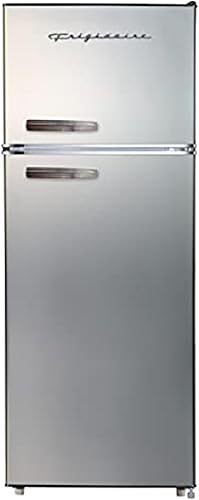
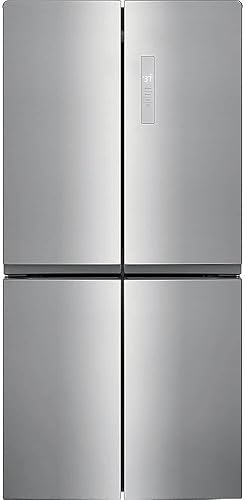
Configuration is the single biggest driver of how a refrigerator feels to use. Top-freezer models are the cheapest and most reliable, with the freezer up high and a wide, simple fridge below; they are ideal for renters, garages, and anyone who values cost over features. Bottom-freezer models put the food you reach for most at eye level. Side-by-side units give you a tall freezer and tall fridge in narrow doors, handy in cramped kitchens but with shelves too narrow for a sheet pan or a large pizza box. French-door refrigerators combine a wide bottom-freezer drawer with two slim top doors, which is why they dominate family kitchens. Match the layout to your habits, not to the showroom looks.
Get the capacity right for your household
Capacity is measured in cubic feet, and bigger is not automatically better because an oversized fridge wastes energy and floor space. A common rule of thumb is roughly four to six cubic feet of total capacity per adult, then add a buffer if you cook in batches, shop weekly, or host often. Compact and apartment-size units in the four to seven cubic foot range suit dorms, offices, and second fridges. Mid-size models in the roughly sixteen to nineteen cubic foot range cover most couples and small families. Large French-door units climb past twenty-five cubic feet for big households. Be honest about how full your current fridge runs; if it is half empty, do not size up.
Focus on the specs that actually matter
Once size and layout are settled, a short list of specs separates a smart buy from a regret. Frost-free (automatic defrost) operation saves you the chore of manually thawing ice buildup. Adjustable and full-width shelves let you fit a tall pitcher or a turkey instead of fighting fixed racks. An energy rating matters because a refrigerator runs nonstop, so a more efficient model quietly pays you back on every utility bill. Noise level is easy to overlook in a store but obvious in an open-plan home, so look for quiet operation if the kitchen opens onto living space. Finally, check the door reversibility and finish if the unit sits in a visible spot.
Decide which extra features are worth paying for
Manufacturers love to bundle features that sound great and rarely get used. A through-the-door ice and water dispenser is genuinely convenient but adds cost, eats interior space, and is the part most likely to need service. Built-in icemakers are worth it if you go through a lot of ice; if not, a standalone countertop unit is cheaper and easier to replace. Smart connectivity, door-mounted screens, and dual-zone cooling are nice-to-haves, not deciders, so do not let them push you over budget. A practical test: if you cannot picture yourself using a feature weekly, treat it as a tiebreaker at most, never as the reason to buy.
Verify reliability, reviews, and warranty before you buy
Specs tell you what a refrigerator should do; reviews tell you what it actually does after a year in someone's kitchen. Skim the one- and two-star reviews specifically, looking for repeated complaints about cooling failures, noisy compressors, or flimsy shelves, since those patterns predict your experience better than the headline rating. Check the warranty length and whether the compressor, the most expensive component, carries longer coverage. Confirm the unit is in stock with a clear delivery window so you are not left without refrigeration. When the comparison gets close, demand signals like strong review counts and steady purchases are a useful tiebreaker.
Our refrigerator picks to start with
If you want a shortlist instead of an open-ended search, our refrigerator hub ranks current models by spec, price, and verified buyer demand so you can jump straight to options that fit your space and budget. A roomy 17-cubic-foot freestanding model works well as a primary fridge for a couple or small family, while a compact 7.5-cubic-foot top-freezer or upright is a strong, well-reviewed pick for apartments, garages, and second-fridge duty. Start with the recommended models below, then sort the full list by the size and configuration you settled on earlier in this guide.
Frequently asked questions
What size refrigerator do I need?
Plan for roughly four to six cubic feet of capacity per adult, then add a buffer if you batch-cook, shop weekly, or entertain. Compact units (4-7 cu ft) suit apartments and second fridges, mid-size models (16-19 cu ft) cover most couples and small families, and large French-door units exceed 25 cu ft for big households.
Which refrigerator configuration is most reliable?
Top-freezer models are generally the simplest and most affordable, with fewer moving parts than dispensers, ice systems, and dual-zone units. If you value reliability and cost over premium features, a frost-free top-freezer is usually the safest bet.
Is a built-in ice and water dispenser worth it?
It is convenient but adds cost, reduces interior space, and is a common service point. If you do not go through much ice or chilled water, you can skip it and use a standalone countertop ice maker, which is cheaper to buy and easier to replace.
How long should a new refrigerator last?
Most refrigerators last roughly ten to fifteen years with normal use. Checking the compressor warranty and reading reviews for repeated cooling or compressor complaints helps you avoid models that fail early.