What Are the Refrigerator Clearance Requirements for Your Kitchen?
Get the right fit and airflow for your fridge. This guide covers clearance requirements for freestanding, counter-depth, and undercounter models so you avoid installation headaches.
Refrigerator clearance requirements specify the minimum gaps you need around your fridge for proper ventilation, door opening, and installation. For most freestanding refrigerators, plan for at least 1 inch of clearance on the sides and top, and 2 inches at the back. Counter-depth models may need less depth but still require side clearance for airflow. Undercounter units need precise height allowance. Skipping these measurements can lead to overheating, poor performance, and doors that won't open fully.
Whether you are replacing an old fridge or designing a new kitchen, measuring your space against these clearance requirements is the first step. This article breaks down what gaps you need for different refrigerator types, why they matter, and how to choose a model that fits your kitchen layout. We will also look at real buyer feedback to see how clearance affects long-term satisfaction.


Minimum Clearance for Freestanding Refrigerators
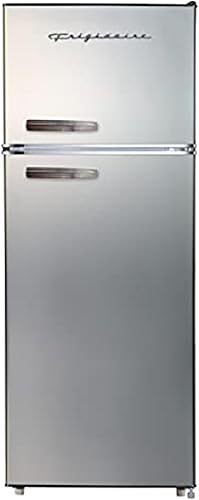
Most freestanding refrigerators need at least 1 inch of clearance on the sides and top, and 2 inches at the back. This space allows the compressor to dissipate heat and keeps the unit running efficiently. For example, the Frigidaire EFR753-PLATINUM (7.5 cu ft) is a freestanding model with a reversible door, meaning you need extra clearance on the hinge side to fully open the door. Buyers of this model (4.1 stars, 586 reviews) often mention it fits standard counter openings but caution to measure depth. The Galanz GLR44BEER (4.4 cu ft, 3.9 stars) is another freestanding option where side clearance is critical for its left-to-right door swing. If you skimp on clearance, you risk reduced airflow and higher energy bills.
Clearance for Counter-Depth Refrigerators
Counter-depth refrigerators are designed to align with your cabinets, so they typically need less depth clearance but still require side and top gaps for ventilation. The Samsung RF18A5101SR/AA (18 cu ft, 3.9 stars, 23 reviews) is a French-door counter-depth model. Its horizontal doors need at least 1 inch on each side for the doors to open without hitting cabinets. Buyers note that while the flush look is sleek, the reduced depth means the doors protrude less, making clearance even more important for drawer access. Always check the manual for exact numbers, but a good rule is 1 inch top and sides, and at least 2 inches behind for airflow.
Undercounter and Compact Refrigerator Clearance
Undercounter refrigerators like the Summit Appliance AL55 (4.2 cu ft, 2.0 stars) require specific height clearance for proper installation under a counter. Most need a gap of at least 1 inch above for ventilation, plus the unit must fit within the cutout dimensions. The Summit AL55 weighs 98 lb and has a fixed left-hinge door, so you need clearance on that side for the door to open. Compact fridges, such as the Galanz GLR44BEER, often need less overall space but still follow the 1-inch rule on top and sides. For undercounter models, measure the height carefully; many require 34 to 35 inches of clearance plus a vent gap.
Why Clearance Matters for Performance and Longevity
Proper clearance ensures your refrigerator's cooling system works efficiently. Without enough airflow, the compressor can overheat, leading to shorter lifespan and higher energy consumption. Many buyers of the Frigidaire EFR753-PLATINUM (4.1 stars) report satisfaction with cooling performance long after purchase, partly because they followed clearance guidelines. In contrast, the Summit Appliance AL55 (2.0 stars) has low ratings that may stem from installation issues related to its undercounter clearance needs. Always leave the recommended gaps, and avoid pushing the fridge tight against walls or cabinets. This simple step can prevent costly repairs down the road.
Measuring Your Space for Refrigerator Clearance
Before buying, measure the width, depth, and height of your intended spot. For freestanding models like the Frigidaire EFR753-PLATINUM (dimensions vary by model), add clearance to the opening size: width needs 1 inch extra per side, depth needs 2 inches behind, and height needs 1 inch above. For the Samsung RF18A5101SR/AA (counter-depth), you may need less depth but still side clearance. Don't forget door swing: measure the path the door will take, especially in tight kitchens. Use a tape measure and account for baseboards and outlets. The Galanz GLR44BEER (21.73 x 24.29 x 35.43 inches) shows how specific dimensions can guide your setup.
Common Clearance Mistakes and How to Avoid Them
A frequent mistake is ignoring the door's hinge side. For instance, the Galanz GLR44BEER opens from left to right, so you need clearance on the right for the door to swing fully. Another error is forgetting top clearance for built-in cabinets. The Samsung RF18A5101SR/AA has a top vent that needs at least 1 inch. Buyers of the Frigidaire EFR753-PLATINUM sometimes complain about doors hitting nearby walls because they didn't account for the reversible door's swing arc. Always measure with the fridge's dimensions plus clearance, and consider that some models have rear vents that need 2 inches. Plan ahead to avoid returns.
Choosing a Refrigerator That Fits Your Clearance Needs
When selecting a model, match its type to your space. For a tight alcove, a counter-depth model like the Samsung RF18A5101SR/AA (18 cu ft, 3.9 stars) minimizes depth. For a small kitchen, a compact freestanding fridge like the Galanz GLR44BEER (4.4 cu ft, $259.99) offers flexibility at a low price. The Frigidaire EFR753-PLATINUM (7.5 cu ft, $329, 4.1 stars) is a top choice for larger families needing a budget-friendly option with good reviews. Check the manufacturer's specs for exact clearance requirements, and always leave extra room for breathing. Long-term satisfaction often comes down to how well the fridge fits your space.
Frequently asked questions
How much clearance do I need behind a refrigerator?
Most manufacturers recommend at least 2 inches of clearance behind the refrigerator for proper airflow and compressor cooling. Some models may need more, so always check the user manual. Insufficient rear clearance can lead to overheating and reduced efficiency.
What is the minimum clearance on the sides of a refrigerator?
For most freestanding refrigerators, you need at least 1 inch of clearance on each side. This allows for door swing and ventilation. Counter-depth models also need 1 inch sides, while built-in models may require zero clearance but are designed differently.
Do counter-depth refrigerators need clearance?
Yes, counter-depth refrigerators still need side and top clearance (typically 1 inch each) for ventilation and door operation. They may need less depth clearance because they align with cabinets, but do not skip side gaps. Check the manual for exact numbers.
What happens if I don't leave enough clearance for my refrigerator?
Insufficient clearance can cause the compressor to overheat, leading to higher energy bills, reduced cooling performance, and a shorter lifespan. Doors may also hit walls or cabinets, making it difficult to fully open and access shelves.