Why Is My Refrigerator Making a Clicking Noise?
A clicking refrigerator can be annoying but is often harmless. We explain the likely causes, what's normal, and when to call a pro, plus recommend reliable fridges.
A refrigerator clicking noise is usually caused by the compressor start relay, the defrost timer, or the ice maker. In most cases, it's a normal operating sound, but if the clicks are frequent or accompanied by cooling problems, you may need a repair.
The most common source of a clicking sound is the compressor trying to start. If the start relay fails, the compressor may click repeatedly and not run. Other causes include the defrost cycle ending (a single click), ice maker mechanisms, or expansion and contraction of materials. If your fridge is cooling fine, random clicks are typically nothing to worry about. But if clicking is constant and the fridge isn't cold, it's time to investigate. We'll walk through the possibilities so you can decide if you need service or a new refrigerator.


Normal Clicking vs. Problem Clicking
Not every click is a warning sign. Refrigerators make clicking sounds during normal operation. The defrost timer clicks when the cycle ends, usually once every 8 to 12 hours. The compressor may click when it starts or stops. Ice makers produce a series of clicks during harvest. If the fridge maintains temperature and the clicking is occasional, it's likely normal. Problem clicking is repetitive, rapid, or accompanied by a lack of cooling. If you hear a rapid click-click-click every few seconds and the interior is warm, the compressor is likely failing to start due to a bad relay or overload protector.
The Compressor Start Relay: Top Suspect
The most common culprit behind a persistent clicking noise is a faulty start relay. The relay gives the compressor a jolt to start. If it fails, the compressor tries to start, fails, and clicks off, then tries again. This cycle repeats. You might hear 3 to 5 clicks followed by a pause, then more clicks. The fridge won't cool. Replacing the start relay is a simple DIY fix for many models. If you have a newer fridge under warranty, call a technician. For older units, a relay kit costs around $10 to $20 on Amazon.
Ice Maker and Defrost Cycle Clicks
If your fridge has an ice maker, clicking is part of its routine. During the ice harvest cycle, a motor turns a shaft to release cubes, producing a series of clicks. This is normal and lasts about 10 seconds. The defrost timer also clicks when it activates and deactivates the heater. That's typically one or two clicks and then silence for hours. To distinguish these from a problem, note the pattern. Ice maker clicks occur around the same time each day and last briefly. Defrost clicks happen during off-peak hours. Neither affects cooling.
Expansion and Contraction of Materials
Fridge panels and internal parts expand and contract with temperature changes. This can cause a single loud click or pop, especially after the compressor cycles on or off. It's more noticeable in new fridges as materials settle. This sound is harmless and often disappears after a few weeks. If the clicking is infrequent and irregular, it's likely just thermal expansion. You can sometimes reduce it by ensuring the fridge is level and all panels are properly secured. If the sound persists for months and bothers you, consider placing vibration pads under the feet.
When Clicking Means a Bad Compressor
If the start relay is good but the compressor still clicks and won't run, the compressor itself may be seized or defective. This is a major repair. Symptoms include a clicking sound every 5 to 10 seconds, warm interior, and no compressor hum. In many cases, replacing the compressor costs nearly as much as a new fridge, especially for budget models. If your fridge is over 5 years old, replacement may be more economical. Consider models like the Frigidaire EFR753-PLATINUM (4.1 stars, 586 reviews) or Samsung RF18A5101SR/AA (3.9 stars, 23 reviews) for reliability.
How to Diagnose Clicking Without a Multimeter
You can narrow down the cause without special tools. First, unplug the fridge for 5 minutes and plug it back in. If the clicking stops for a while, the control board may be the issue. Next, locate the compressor at the back. Place a hand on the compressor when you hear a click. If you feel it vibrating then stopping, the relay could be bad. If no vibration, the compressor may be seized. Also, listen to the ice maker. Open the freezer door and see if the sound changes. If you can isolate the sound to the back versus the freezer, you know where to focus.
Quiet Refrigerator Recommendations
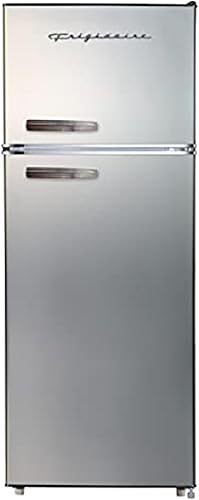
If you're tired of strange noises and want a quiet, reliable fridge, look for models with inverter compressors and good insulation. The Frigidaire EFR753-PLATINUM (7.5 cu ft, $329) has 4.1 stars from 586 reviews and is known for consistent temperature and low noise. The Samsung RF18A5101SR/AA (18 cu ft, $1299) uses a digital inverter compressor for quiet operation and energy efficiency, earning 3.9 stars. For a compact option, the Galanz GLR44BEER (4.4 cu ft, $259) is a simple, affordable choice with automatic defrost, though reviews are limited (3.9 stars, 6 reviews).
Frequently asked questions
Is it normal for a refrigerator to make a clicking sound?
Yes, occasional clicking is normal. The defrost timer, ice maker, and compressor start/stop cycles all produce clicks. Problem clicking is rapid, repetitive, and accompanied by cooling failure.
Why does my refrigerator click and then stop cooling?
A bad start relay prevents the compressor from running, causing repeated clicking. The compressor tries to start, fails, and clicks off. Without the compressor, the fridge stops cooling. Replace the relay or call a technician.
Can a clicking noise from the fridge be fixed without a repairman?
Yes, if it's the start relay. You can replace it with a $10 to $20 part and a screwdriver. Always unplug the fridge first. For other causes like a seized compressor, you'll need professional help.
How do I know if the clicking is from the ice maker?
Ice maker clicks happen during the harvest cycle, usually once or twice a day. They last about 10 seconds and come from the freezer. Open the freezer door and listen. If the sound originates there, it's likely the ice maker.