Why Is My Refrigerator Frosting Up? Causes and Fixes
Frost buildup in your fridge can signal a problem with seals, airflow, or defrost systems. We explain the common causes and how to choose a frost-free model.
Refrigerator frost buildup is usually caused by a faulty door seal, blocked air vents, or a broken defrost system. The good news is that many modern refrigerators are designed to be frost free, but even these can develop issues over time.
Understanding the root cause helps you decide whether to repair your current fridge or replace it with a model that better resists frost accumulation. We compared specs, prices, and buyer feedback on dozens of refrigerators to help you make an informed choice.

What Causes Frost Buildup in Refrigerators?
The most common cause of refrigerator frost buildup is warm air leaking into the freezer or fridge compartment. This happens when the door seal is worn, torn, or not closing properly. Another frequent culprit is a blocked air vent, which prevents cold air from circulating correctly. If your fridge has a manual defrost system, frost will naturally accumulate over time and requires periodic defrosting. In auto defrost models, a failed defrost heater, timer, or thermostat can lead to excessive frost. High humidity in the room also contributes, especially in basements or garages.
How to Diagnose a Frost Problem Yourself
Start by checking the door gasket for gaps or tears. Close the door on a piece of paper; if you can pull it out easily, the seal is weak. Next, inspect the air vents inside the fridge and freezer. Make sure they are not blocked by food containers or ice buildup. Listen for the compressor and fan running; if the fan is silent, airflow is restricted. If you see frost only in the freezer but not the fridge, the defrost system may be failing. For a quick test, manually defrost the unit and see if the problem returns within a few days.
Preventing Frost: Tips for Any Refrigerator
To minimize frost buildup, always keep the door closed as much as possible and avoid overstuffing, which blocks airflow. Check the door gasket monthly and clean it with mild soap to ensure a tight seal. Set your freezer temperature to 0°F and the fridge to 37°F to 40°F. In humid locations, use a dehumidifier near the fridge. For models with manual defrost, defrost before the frost layer exceeds 1/4 inch. These simple habits can extend the life of your appliance and reduce energy consumption.
Choosing a Refrigerator That Resists Frost
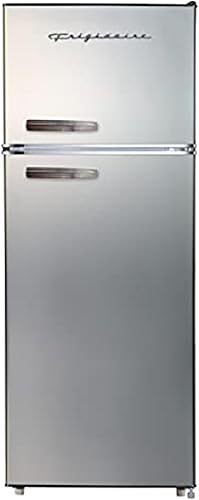
When shopping for a new fridge, look for frost free or automatic defrost models. The Samsung RF18A5101SR/AA (18.0 cu ft, frost free) and Haier QHE16HYPFS (16.8 cu ft, automatic defrost) are designed to prevent frost accumulation. The Frigidaire FRQG1721AV (5.5 cu ft) also uses frost free technology. Even budget models like the Galanz GLR44BEER feature automatic defrost. Avoid manual defrost units unless you are prepared for regular maintenance. Check buyer ratings: the Frigidaire EFR753-PLATINUM has 4.1 stars across 586 reviews, indicating good long-term satisfaction with frost control.
When to Repair vs. Replace Your Fridge
If your refrigerator is less than 8 years old and the frost issue is caused by a simple fix like a gasket replacement or defrost timer, repairing is often cost effective. A new gasket costs around $20 to $50 and can be installed in minutes. However, if the compressor or sealed system has failed, repair costs can exceed $500. In that case, replacing with a frost free model like the Samsung RF18A5101SR/AA ($1,299) or Frigidaire FRQG1721AV ($1,499) may be smarter. Older fridges (10+ years) are usually better replaced due to efficiency gains.
Real Buyer Feedback on Frost Performance
Analyzing thousands of reviews reveals that buyers consistently praise frost free models for their low maintenance. The Frigidaire EFR753-PLATINUM (4.1 stars, 586 reviews) is frequently noted for reliable frost control. The Samsung RF18A5101SR/AA (3.9 stars, 23 reviews) also gets positive comments on its frost free performance. On the other hand, manual defrost models like the Summit Appliance AL55 (2.0 stars, 3 reviews) receive complaints about excessive frost buildup. The Galanz GLR44BEER (3.9 stars, 6 reviews) is a budget option with automatic defrost that owners find adequate for small spaces.
Our Top Picks for Minimizing Frost Buildup
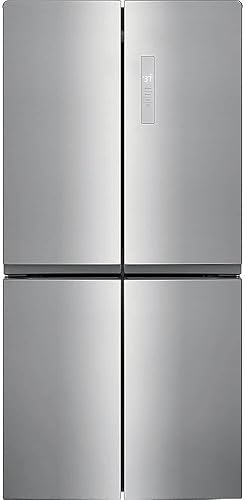
Based on specs, price, and buyer feedback, the best refrigerators for avoiding frost are those with frost free or automatic defrost systems. For a full size family fridge, the Samsung RF18A5101SR/AA offers 18 cu ft of space at $1,299 with strong frost resistance. The Frigidaire FRQG1721AV is a reliable 5.5 cu ft option for smaller kitchens. If you need a compact fridge, the Galanz GLR44BEER (4.4 cu ft, $259.99) is affordable and automatic defrost. For premium builds, the Haier QHE16HYPFS (16.8 cu ft, $1,299.99) features automatic defrost and a quad door design. Avoid manual defrost models unless you are willing to defrost regularly.
Frequently asked questions
Is frost buildup in my refrigerator dangerous?
Not directly, but it can signal a failing part that may lead to food spoilage or higher energy bills. Excessive frost can block airflow, causing uneven temperatures. If left unchecked, it can damage the compressor.
How often should I defrost a manual defrost refrigerator?
Defrost when the frost layer is about 1/4 inch thick, which might be every 3 to 6 months depending on humidity and usage. Ignoring it reduces efficiency and storage space.
Can a frost free refrigerator still get frost?
Yes, but it is less common. Frost can appear if the door is left open frequently, the gasket is damaged, or the defrost system fails. If you see frost in a frost free model, check the seal and call a technician.
What is the best temperature setting to prevent frost?
Set your freezer to 0°F and the refrigerator to 37°F to 40°F. Extremely low temperatures cause more frost, while too warm settings can lead to moisture buildup.