Refrigerator Leaking Water: How to Find the Source and Stop It
Most fridge leaks come from one of four ordinary causes, and you can track down which one in under an hour.
A refrigerator leaking water is annoying, but it is rarely a sign that the appliance is dying. In the large majority of cases the puddle traces back to a clogged defrost drain, a poorly leveled cabinet, a failing water supply line, or condensation that has nowhere to go. The trick is reading where the water is pooling before you start pulling the fridge apart. This guide walks through the common culprits in the order you should check them, what each fix actually involves, and the handful of situations where replacing the unit is the smarter call.
None of these checks require a service call or special tools. You will need a flashlight, a bubble level, a turkey baster or thin tubing, and a towel. Work through the causes in the order below, because the cheapest and most common fixes come first. By the time you reach the bottom of the list, you will know whether you are looking at a ten-minute cleanup or a genuine reason to start shopping for a replacement.

First, read where the water is pooling
Before touching a tool, note exactly where the water shows up, because location narrows the cause fast. Water inside the fridge, often under the crisper drawers, almost always points to a blocked defrost drain. A puddle on the floor at the front suggests the unit is tilted forward or the drain pan is overflowing. Water at the back or under one side usually means a supply line, valve, or a fridge that is not level. Wipe everything dry, then watch for an hour to see where it returns. Trace the leak to its origin before assuming the worst; chasing the puddle instead of the source is how people replace parts that were never broken.
The usual suspect: a clogged defrost drain
Frost-free refrigerators run a defrost cycle that melts ice off the evaporator coils; that meltwater is supposed to flow down a small drain tube into a pan near the compressor, where it evaporates. Food debris and mineral buildup clog that tube, so the water backs up and ends up inside the fridge floor or running out the front. To clear it, unplug the unit, locate the drain hole at the back of the freezer or fridge floor, and flush it with warm water using a turkey baster. A length of stiff but flexible tubing or a pipe cleaner can push the clog through. This is the single most common cause of an interior leak and costs nothing but time.
Check that the fridge is level (and slightly tilted back)
Refrigerators are designed to sit dead level side to side and tipped very slightly backward, which helps doors swing shut and keeps internal drainage flowing the right way. A unit that leans forward will let condensation and defrost water run toward the front and onto the floor. Put a bubble level on top of the cabinet, then adjust the threaded front feet or leveling legs until it reads level left to right with a hair of backward tilt. This five-minute adjustment fixes a surprising share of front-floor leaks and also stops doors from drifting open.
Inspect the water supply line and inlet valve
If your fridge has an ice maker or water dispenser, it is fed by a thin supply line connected to a water inlet valve at the back. Cracked plastic tubing, a loose compression fitting, or a failing valve will drip steadily, usually showing up at the back or under one rear corner. Pull the fridge out a foot, dry the fittings, and watch for beading water. Tightening a fitting or swapping the valve are both manageable repairs, but shut off the water at the saddle valve or supply stop first. A slow line leak can soak a floor for weeks before you notice, so it is worth ruling out early.
Don't overlook the drain pan and door seals
Under most refrigerators sits a drain pan that collects defrost water and lets it evaporate. A cracked pan, or one knocked out of position during a recent move, will let that water hit the floor instead. Slide the pan out, check for cracks, and reseat it squarely. Separately, a worn or dirty door gasket lets warm, humid air sneak in, which condenses into water that can drip out the bottom. Clean the gasket, check that it seals on a dollar bill test, and replace it if it is brittle or torn. Both are inexpensive parts compared with the headache of a recurring leak.
Humidity and ice maker quirks that look like leaks
Not every bit of water is a true leak. In humid weather, or after the door has been left open while you load groceries, warm moist air condenses on cold surfaces and can collect at the bottom of the fridge or drip from shelving. This clears up on its own once the interior stabilizes and usually does not need a repair. Ice makers cause their own confusion: a fill tube that freezes and overflows, or cubes that melt because the freezer is running too warm, can leave water that looks like a leak. If the puddle only appears near the ice bin, check the freezer temperature and look for a frozen fill tube before tearing into the drain system. Ruling out these benign causes saves you from fixing a problem that was never mechanical.
When a leak means it's time to replace the fridge
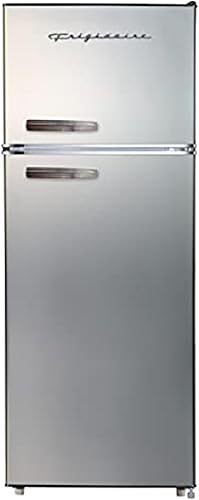
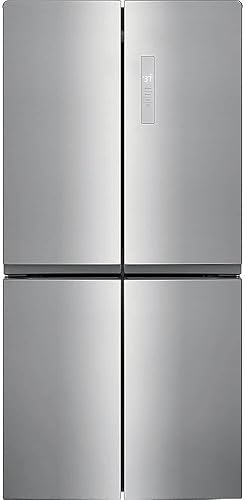
Most leaks are repairs, not death sentences. But a few signs tip the math toward replacement: a leak paired with a unit that is already a decade or more old, repeated defrost-system failures, a compressor that runs constantly, or visible interior cracking that lets water escape the liner. If you are spending real money on a repair tech for an aging fridge, that cash is often better put toward a newer, more efficient model that will not surprise you again. If you have reached that point, our refrigerators category rounds up dependable models across sizes and budgets so you can match a replacement to your kitchen without overspending.
Frequently asked questions
Why is my refrigerator leaking water on the floor?
Floor leaks usually come from one of three things: a fridge tilted forward so water runs out the front, an overflowing or cracked drain pan underneath, or a leaking water supply line at the back. Check that the unit is level first, then inspect the pan and the line behind it.
Can I keep using my fridge while it is leaking?
Generally yes, but address it promptly. The food stays cold, but standing water can warp flooring, breed mold, and create a slip hazard. A clogged defrost drain or a tilted cabinet is safe to use while you fix it; a steady water-line leak should be shut off at the supply until repaired.
How do I clear a clogged defrost drain?
Unplug the fridge, find the small drain hole at the back of the freezer or the fridge floor, and flush it with warm water using a turkey baster. A pipe cleaner or thin flexible tube can push a stubborn clog through into the drain pan below.
Is a leaking refrigerator worth repairing?
Almost always, if the fix is a clogged drain, a leveling adjustment, a gasket, or a supply line. Lean toward replacement when the unit is roughly ten years or older and the leak comes with repeated defrost failures, a compressor that never shuts off, or a cracked interior liner.