Is a Refrigerator Water Dispenser Worth It? An Honest Buyer's Breakdown
The chilled-water-and-ice door looks like a no-brainer in the showroom, but it adds cost, upkeep and a few failure points worth knowing before you commit.
A through-the-door water dispenser is one of those refrigerator features that sells itself in the store: press a glass against the panel, get cold filtered water without opening the fridge, and grab ice on the way past. It feels modern and convenient, and for plenty of households it genuinely is. But it is also the single feature most likely to add cost up front, demand ongoing filter spending, and eventually need a repair, so it deserves a clearer-eyed look than the showroom gives it.
This guide lays out what a refrigerator water dispenser actually costs you over the life of the appliance, what it asks of your plumbing, and where it tends to fail, so you can decide whether the daily convenience is worth the trade. The short version: it is a great fit for some kitchens and a needless complication in others, and which one you are comes down to a handful of honest questions you can answer in a few minutes.


What a water dispenser really adds to the price
On any given model line, the version with a through-the-door water and ice dispenser almost always sits at a higher price point than the otherwise identical fridge without one. You are paying for the dispenser hardware, the internal water lines, an ice maker, and usually a more complex door. That premium is rarely the dealbreaker on its own, but it is only the first dollar figure. The feature also locks you into replacement water filters for the life of the appliance, and those are a recurring cost most buyers underestimate at purchase. Manufacturers typically recommend swapping the filter every six months, and brand-name cartridges are not cheap, so the dispenser quietly keeps spending money long after the fridge is paid off. When you compare two models, do not just look at the sticker gap; mentally add a decade of filter changes to the dispenser version before you decide the convenience is worth it.
The filter is a running cost, not a one-time one
The water filter is the part of this feature that surprises people most. A dispenser fridge depends on a replaceable cartridge to keep the water and ice tasting clean, and skipping replacements does not just hurt taste; a clogged, neglected filter slows the flow and can let the dispenser sputter or stop. Plan on two filters a year as a baseline, more if your household drinks a lot of water or your local supply is hard. Third-party cartridges are cheaper than brand-name ones, though fit and filtration quality vary, so it is worth confirming a model uses a widely available filter before you buy rather than a proprietary one that only the manufacturer sells. None of this is a reason to avoid a dispenser, but it is the difference between a feature that costs you once and one that bills you twice a year for as long as you own the fridge.
It needs a water line, which limits where the fridge can go
A through-the-door dispenser cannot make water out of nothing; it needs a plumbed water supply line running to the back of the refrigerator. In a kitchen already set up for it, that is a non-issue. In a kitchen that has never had a dispenser fridge, it can mean running a new line, which is a small plumbing job and an added cost. This matters most for second fridges in garages, basements, or apartments, where there may be no nearby water connection at all and adding one is impractical. If the fridge is destined for a spot without easy plumbing access, a dispenser model either will not work or will sit there with the feature permanently unused. Before you fall for the convenience, confirm there is a water supply where the fridge will actually live, because the dispenser is only as good as the line feeding it.
More moving parts means more that can break
Every added feature on an appliance is one more thing that can fail, and the dispenser-and-ice assembly is among the more failure-prone parts of a modern refrigerator. Owner reviews across brands tend to cluster the same complaints: ice makers that jam or stop producing, dispensers that leak or drip, water lines that freeze, and electronic dispenser panels that go unresponsive. These are usually repairable, but repairs cost money and inconvenience, and a dispenser fridge simply has more surface area for problems than a plain door does. This is exactly why reading owner feedback matters more on a dispenser model than on a basic one: a high star rating across hundreds of reviews tells you the dispenser holds up, while a thin or mixed review history on the very feature you are paying extra for is a warning worth heeding.
Who genuinely benefits, and who should skip it
A water dispenser earns its keep in a busy household that drinks a lot of cold water and uses ice daily, where the convenience is felt every single day and the running costs disappear into normal life. If you currently keep water pitchers crowding your shelves or refill ice trays constantly, a dispenser solves a real, repeated annoyance. It is a weaker case for a one or two-person home that drinks little ice water, for a fridge headed somewhere without plumbing, or for a buyer optimizing hard on price and long-term simplicity. Plenty of households happily use an inexpensive filter pitcher and a couple of ice trays and never miss the door panel. The honest test is whether you will use it often enough to justify the premium and the upkeep, or whether you are buying it because the showroom model had it and it looked nice.
Alternatives that get you most of the benefit for less
If the convenience appeals but the cost and complexity do not, there is a middle ground. Many refrigerators offer an internal water dispenser or an in-door ice maker without a through-the-door panel, which keeps the filtered water and ice but removes the external dispenser that fails most and looks busiest. Others skip plumbing entirely with a manual fill water tank, useful where running a line is not an option. And the simplest path is no dispenser at all paired with a standalone filter pitcher and ice trays, which costs almost nothing and never breaks. Each step down from a full through-the-door dispenser trades a little convenience for lower cost, fewer failure points, and more freedom in where the fridge can sit. Decide how much of the convenience you actually need before you pay for the most complex version of it.
Comparing dispenser models the smart way
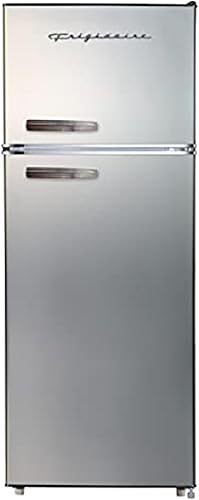
Once you have decided a dispenser is worth it for your home, compare models on the things that determine whether it stays worth it: the type and availability of the filter it uses, whether it needs a plumbed line or fills manually, and above all the depth and tone of owner reviews on the dispenser itself. Weigh review volume, not just the star score, since reliability on a feature like this only shows up across hundreds of buyers over time. That is the legwork our refrigerators hub is built to save you, ranking current picks by spec, price and verified buyer demand so you can see at a glance which models are heavily reviewed and which are unproven. Well-reviewed anchors like the Frigidaire EFR753-PLATINUM, the BLACK+DECKER BUC1700XB, and the Frigidaire EF756MNT are useful reference points for what a trusted, high-volume pick looks like before you commit to a dispenser model and the years of upkeep that come with it.
Frequently asked questions
Is a refrigerator water dispenser worth the extra cost?
For a household that drinks cold water and uses ice every day, usually yes, since the convenience is felt constantly. For a low-use home, a fridge headed somewhere without plumbing, or a price-focused buyer, it often isn't worth the premium plus the recurring filter cost and added failure points.
How often do I need to replace the water filter?
Most manufacturers recommend replacing the dispenser filter about every six months, or roughly twice a year. Heavy water use or hard local supply can shorten that. A clogged, neglected filter not only hurts taste but can slow the flow and make the dispenser sputter or stop.
Does a water dispenser fridge need a plumbing connection?
A through-the-door dispenser needs a plumbed water supply line to the back of the fridge. Some models instead use a manual-fill water tank that needs no plumbing. Before buying, confirm there's a water line where the fridge will live, especially for garage, basement, or apartment placements.
What tends to go wrong with refrigerator dispensers?
The most common owner complaints are ice makers that jam or stop, dispensers that leak or drip, water lines that freeze, and dispenser panels that stop responding. They're usually repairable, but they add cost and hassle, which is why reading high-volume owner reviews on dispenser models matters.