Refrigerator Water Filter Stuck? Here’s How to Remove It
A stuck water filter is a common fridge headache. This guide explains why filters get stuck and walks you through safe removal steps so you can get back to clean water.
A refrigerator water filter stuck in its housing is a frustrating problem, but it usually has a simple cause and solution. The most common reasons are overtightening, mineral buildup, or a damaged seal. Freeing a stuck filter often requires a bit of patience and the right technique, not brute force.
Before you panic or call a repair person, try these steps: turn off the water supply, check for a release button or twist-to-lock mechanism, and use a strap wrench or a hair dryer (on low heat) to loosen the filter. If it still won’t budge, the filter housing may need replacing, but that’s rare. For most people, the fix takes five minutes.

Why Does a Refrigerator Water Filter Get Stuck?
Filters get stuck primarily because of mineral deposits from hard water or because someone overtightened them during installation. Sediment and calcium can build up around the O-ring, creating a tight bond. Also, if the filter was twisted too far past the stop mark, it can jam against the housing. Temperature changes can cause plastic parts to contract and grip tighter. Understanding the cause helps you choose the right removal method.
Step-by-Step: How to Remove a Stuck Water Filter
First, shut off the water supply to the refrigerator to avoid leaks. Locate the filter (usually in the upper right corner of the fresh food compartment or behind the base grille). If it’s a twist-and-lock type, try pressing the release button while turning counterclockwise. For push-button filters, jiggle the filter while pushing the button. Use a strap wrench for extra grip, or gently warm the housing with a hair dryer on low heat to expand plastic. Never use excessive force or tools that could crack the housing.
Prevention Tips for Future Filter Changes
To avoid future sticking, lightly lubricate the O-ring with food-grade silicone grease before inserting a new filter. Hand tighten only: never use a tool to tighten. Follow the manufacturer’s instructions for twist direction and stop position. Replace filters on schedule (usually every 6 months) to prevent buildup. If you have hard water, consider a whole-house water softener to reduce mineral deposits.
When to Call a Professional or Replace the Housing
If gentle methods fail and the filter still won’t come out, the filter housing itself may be damaged or seized. Attempting to force removal can crack the housing and cause water damage. In that case, call a technician or order a replacement housing assembly. Some refrigerators have a bypass plug so you can still use the water dispenser without a filter while waiting for repair.
What to Do If the Filter Breaks While Removing It
If the filter breaks off, leaving the threaded base inside, use needle-nose pliers to grasp the broken piece and twist it out. If that fails, a filter removal tool (available online) can grip the broken ring. Avoid using a screwdriver to pry, as that can damage the housing. After removal, flush the system with a few gallons of water before installing a new filter.
Choosing the Right Replacement Filter
Always use the exact filter model recommended by your refrigerator’s manufacturer. Aftermarket filters can vary in fit and may contribute to sticking if tolerances are off. Check your owner’s manual or the existing filter for the part number. For refrigerators that don’t have a filter (like many compact or budget models), you won’t face this issue. If you’re in the market for a new fridge and want to avoid filter hassles, consider models with external filter housings that are easier to access.
Refrigerators That Minimize Filter Troubles
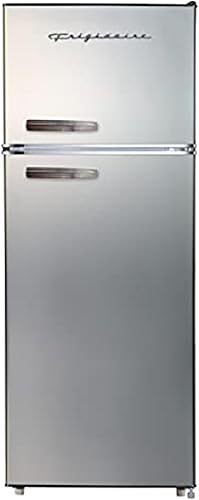
Some refrigerator designs make filter changes simpler. For example, the Frigidaire EFR753-PLATINUM (ASIN: B09DTNMTGV) is a 7.5 cu ft top-freezer model rated 4.1 stars over 586 reviews. It has a straightforward filter location and is known for easy maintenance. The Samsung RF18A5101SR/AA (ASIN: B09HJR2W4P) is a French door model with an internal filter that users generally find easy to replace. Checking buyer feedback for filter change difficulty before buying can save you future frustration.
Frequently asked questions
Can I use a tool to remove a stuck water filter?
Yes, a strap wrench or filter removal tool is safe. Avoid using pliers that can crush the filter. If the filter is plastic, heating the housing with a hair dryer on low can help. Never use a metal tool to pry.
Will a stuck water filter cause water to leak?
Possibly. A stuck filter that is partially dislodged can leak. If the housing is cracked from excessive force, it will leak. Always shut off the water first. If you see water after removal, inspect the O-ring and housing for damage.
How often should I replace my refrigerator water filter?
Every 6 months is standard, but check your manual. Some filters last up to a year. Hard water may require more frequent changes. Setting a reminder helps prevent the filter from getting stuck due to age and buildup.
What if my refrigerator doesn’t have a water filter?
Many compact or budget models lack a built-in filter. That’s fine; you can use a countertop pitcher filter. If you prefer filtered water from the door, choose a model with an external filter for easier access, like the Frigidaire EFR753-PLATINUM.