Should Eggs Be Refrigerated? The Facts You Need
Are you supposed to keep eggs in the fridge or on the counter? Learn why refrigeration matters for safety and freshness, and which refrigerators do the job best.
Yes, in the United States, eggs should be refrigerated. Commercial eggs are washed and sanitized, which removes the protective cuticle, making refrigeration essential to prevent bacterial growth. If you buy farm-fresh unwashed eggs, they can sit at room temperature for a few weeks, but once refrigerated, they must stay cold. The short answer: for maximum safety and shelf life, keep your eggs in the fridge.
When you store eggs properly in a refrigerator set at or below 40°F, they stay fresh for three to five weeks. The key is consistent temperature and avoiding the door (where temps fluctuate). Whether you are stocking up or just starting out, a reliable refrigerator makes all the difference. This article breaks down the science, the best practices, and the fridges that help your eggs last long and taste great.


Why Refrigeration Is Recommended for Store Bought Eggs
The USDA requires commercial eggs to be washed, which strips the natural bloom that seals the shell. Without that barrier, bacteria like Salmonella can enter through pores. Refrigeration slows bacterial growth significantly. In contrast, many European countries don't wash eggs, so they can be stored at room temperature. But in the U.S., the cold chain starts at the farm and continues through transport and your home. Breaking that chain by leaving eggs out for more than two hours invites spoilage. For safety, always refrigerate store bought eggs.
How to Store Eggs for Maximum Freshness
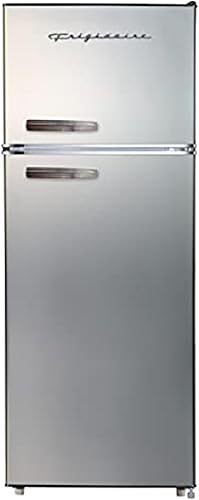
Keep eggs in their original carton on a middle or lower shelf, not in the door. The door is the warmest part of the fridge due to frequent opening. The carton protects eggs from absorbing odors and prevents moisture loss. If you have farm fresh unwashed eggs, you can keep them on the counter for a few weeks, but once chilled they must stay refrigerated. For long term storage, you can freeze eggs (out of the shell) for up to a year. A fridge with consistent temperature control, like the Frigidaire EFR753, helps maintain ideal conditions.
Which Refrigerators Are Best for Egg Storage
Any refrigerator that holds a steady 35 40°F works, but some models offer better temperature consistency and convenient features. The Frigidaire EFR753 PLATINUM (4.1 stars, 586 reviews) is a popular 7.5 cu ft freestanding fridge with a top freezer and reversible door, making egg storage easy. For smaller spaces, the Galanz GLR44BEER (3.9 stars, 6 reviews) is a 4.4 cu ft compact fridge with automatic defrost. If you need more capacity, the Samsung RF18A5101SR/AA (3.9 stars, 23 reviews) is an 18 cu ft French door model with frost free cooling. All maintain the cold temps eggs require.
Common Myths About Egg Refrigeration Debunked
Myth: Eggs must be at room temperature for baking. Truth: Cold eggs work fine, just bring them to room temp quickly by placing in warm water. Myth: You can tell if an egg is bad by floating it. Truth: The float test indicates age, not safety; a spoiled egg may still sink. Myth: Refrigerated eggs last forever. Truth: They last 3 5 weeks past the pack date. Always check for off smells. Myth: All eggs need refrigeration worldwide. Truth: Unwashed eggs with the bloom intact can stay out, but U.S. eggs must be chilled.
What Happens If You Don’t Refrigerate Eggs
Leaving store bought eggs at room temperature for over two hours allows bacteria to multiply rapidly. The risk of Salmonella increases, especially in warm kitchens. Even if the eggs look fine, they could be contaminated. Refrigeration keeps eggs safe and extends shelf life: refrigerated eggs stay fresh weeks longer than counter eggs. If you accidentally leave eggs out overnight, discard them to be safe. The bottom line: refrigeration is a simple, effective way to prevent foodborne illness.
How to Choose a Reliable Refrigerator for Egg Storage
Look for a fridge with accurate temperature control, good insulation, and even cooling. Avoid models known for temperature swings. The Frigidaire EFR753 PLATINUM, with its 4.1 star rating from over 500 buyers, offers reliable performance and a large capacity for eggs and more. For a budget friendly option, the Galanz GLR44BEER is a compact choice. If you want a full size fridge, the Samsung RF18A5101SR/AA provides French door convenience. Check reviews for mentions of temperature stability and build quality.
Final Verdict on Egg Refrigeration
In the U.S., eggs should always be refrigerated for safety and freshness. Store them in the carton on a shelf, not the door, and keep your fridge at 40°F or below. The right refrigerator makes it easy: models like the Frigidaire EFR753 PLATINUM and Galanz GLR44BEER offer dependable cooling. Whether you're a home baker or just like fresh eggs, following these guidelines ensures your eggs are safe, delicious, and long lasting.
Frequently asked questions
Can I leave eggs out on the counter overnight?
No, if eggs are store bought (washed), they should not sit out for more than 2 hours. After that, bacteria can grow rapidly. Discard eggs left out overnight to avoid food poisoning.
Why do Europeans keep eggs at room temperature?
European eggs are not washed, so they retain a natural protective cuticle that prevents bacteria from entering. In the U.S., washing removes this layer, making refrigeration necessary.
How long do refrigerated eggs last beyond the sell by date?
Refrigerated eggs can be safe to eat for 3 to 5 weeks after the sell by date if kept at 40°F or below. Always check for off smells before use.
Is the egg float test reliable for safety?
No, the float test only indicates age, not safety. An older egg may float but still be safe, while a fresh egg could be contaminated. Rely on smell and appearance.