Should You Refrigerate Honey? A Clear Answer
Honey never spoils, but fridges can crystallize it fast. Learn when refrigeration helps (or hurts) and how to store honey for long term quality.
No, you should not refrigerate honey unless you specifically want it to crystallize into a spreadable solid. Honey stored at room temperature (60-70°F) in a sealed container remains liquid, flavorful, and shelf stable for years. Refrigeration accelerates crystallization and makes honey thick, grainy, and harder to use.
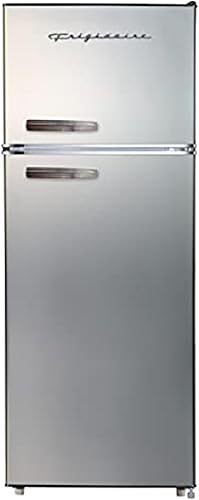
So should you refrigerate honey? Almost never. Raw or processed, honey contains very little water and high sugar, which naturally prevents bacterial growth. A cool, dark pantry is ideal. Only refrigerate if you prefer a crystallized texture or live in a very hot climate where honey might ferment. Even then, a refrigerator like the Frigidaire EFR753-PLATINUM (set to 40°F) can work, but expect it to solidify.

Why Room Temperature Is Best for Honey
Honey stored at room temperature stays liquid and easy to drizzle for months. The natural glucose in honey remains dissolved, so you don't have to deal with hard, gritty crystals. Most honey experts recommend a pantry or cupboard away from direct sunlight and heat sources. Temperatures between 60°F and 70°F are ideal. Once you refrigerate honey, the cold triggers rapid crystallization, turning it into a semi solid mass. While still safe to eat, you'll need to warm it up to liquefy it again, which can degrade some delicate enzymes if overheated.
When Refrigeration Might Make Sense
There are a few scenarios where refrigerating honey is okay. If you live in a very hot, humid climate, refrigeration can prevent fermentation in raw honey with higher moisture content. Some people also prefer crystallized honey as a spread, similar to creamed honey. In that case, a fridge helps achieve and maintain that texture. Additionally, if you have a large batch you won't use quickly, refrigeration can slow darkening and flavor changes. But for everyday use, room temperature wins.
How Crystallization Affects Honey Quality
Crystallization is a natural process where glucose separates from water and forms crystals. Refrigeration speeds this up dramatically. Crystallized honey is still safe and nutritious, but the texture becomes gritty and harder to pour. To reverse it, place the jar in warm water (not boiling) and stir until crystals dissolve. Repeated heating and cooling can darken honey and alter flavor over time. If you buy honey in bulk, only refrigerate the portion you plan to use as a spread, and keep the rest at room temp.
Does the Type of Fridge Matter for Honey Storage?
Any refrigerator can store honey, but temperature consistency matters. A fridge with a dedicated beverage or deli drawer, like the Frigidaire EFR753-PLATINUM (4.1 stars, 586 reviews), keeps temperatures steady without freezing. The Galanz GLR44BEER (3.9 stars) also works, but its small 4.4 cu ft size limits space. For long term storage, avoid frost free cycles that can dehydrate honey. If you need a fridge primarily for drinks and occasional honey storage, consider a compact model with adjustable shelves.
Best Practices for Long Term Honey Storage
Store honey in a glass or food grade plastic container with a tight lid. Keep it in a dark cabinet away from stove heat or direct sunlight. Avoid metal containers, as they can oxidize honey. If you must refrigerate, portion honey into small jars so only what you need crystallizes. Label with the date. Honey stored properly at room temperature lasts indefinitely. The USDA says honey never spoils, though it may darken or crystallize over time. For the best flavor, use within a year.
Common Myths About Refrigerating Honey
Myth: Refrigeration keeps honey fresh longer. Truth: Honey doesn't spoil, so refrigeration doesn't extend shelf life. Myth: Refrigerated honey is healthier. Truth: There's no nutritional benefit. Myth: You can freeze honey to stop crystallization. Truth: Freezing also causes crystallization but slower. Honey stored at room temperature in a sealed container remains good for decades. The only reason to refrigerate is if you want solid honey or live in a tropical climate where fermentation risk is real.
Choosing the Right Fridge for Your Kitchen
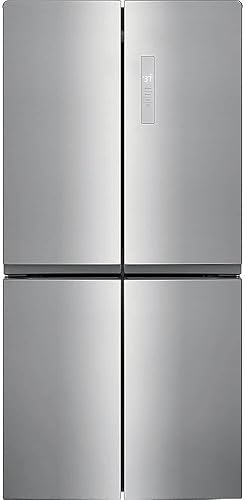
If you decide to refrigerate honey occasionally, you don't need a special fridge. However, for overall food storage, models like the Frigidaire FRQG1721AV (4.3 stars, 268 reviews, 5.5 cu ft) offer consistent cooling and ample space. The Samsung RF18A5101SR/AA (3.9 stars, 23 reviews, 18 cu ft) provides larger capacity with a French door layout. For a compact option, the Frigidaire EFR753-PLATINUM remains a popular choice. Check reviews for real world temperature performance.
Frequently asked questions
Does refrigerating honey make it last longer?
No. Honey doesn't spoil at room temperature because of its low water and high sugar content. Refrigeration doesn't extend shelf life, it just causes crystallization. Properly sealed honey kept in a dark pantry lasts indefinitely.
Why did my honey crystallize in the fridge?
Cold temperatures cause glucose in honey to form crystals. Refrigeration speeds this process. To fix it, warm the jar in a bowl of hot water (not boiling) and stir until the crystals dissolve. Avoid microwaving, which can overheat and ruin flavor.
Can you freeze honey to keep it from crystallizing?
Freezing actually encourages crystallization over time due to moisture migration. It's better to store honey at room temperature. If you have excess honey, freezing is okay but expect eventual crystallization. Thaw in the fridge and use within a few months.
What's the best way to store honey long term?
Use a glass jar with a tight lid, keep it in a dark cupboard away from heat and sunlight. Ideal temperature is 60-70°F. Avoid metal containers. Honey stored this way remains good for years. If you want crystallized honey, store in the fridge.