Should You Refrigerate Peanut Butter?
The short answer is: it depends. Natural peanut butter benefits from refrigeration to prevent oil separation, while commercial spreads stay fine in the pantry. Learn how your fridge choice matters for long-term storage.
No, you do not have to refrigerate most peanut butters. The question of should you refrigerate peanut butter comes down to one factor: whether it is natural or processed. Commercial peanut butters (like Skippy or Jif) contain stabilizers that keep them shelf stable for months after opening. Natural peanut butters, made with just peanuts and salt, lack those stabilizers. Their oils can separate and go rancid faster at room temperature. Refrigeration slows that process and extends freshness.
That said, many people prefer the spreadability of room temperature peanut butter. If you go through a jar quickly, the pantry is fine. But if you buy natural in bulk or live in a warm climate, the fridge is a better bet. The right refrigerator temperature helps maintain texture and flavor. We will look at how to store peanut butter and which refrigerators owners still love months later for this and other food storage needs.


Natural vs. Commercial Peanut Butter Storage
The main difference is stabilizers. Commercial brands add hydrogenated oils and sugar to prevent separation, so they keep safely in the pantry for up to three months after opening. Natural peanut butter separates into oil and solids at room temperature. Refrigeration keeps the oil emulsified longer, though it makes the spread firmer. Stirring is easier when cold, and refrigerated natural peanut butter can last up to nine months. Buyers who switch to natural often report less waste when they store it in the fridge.
What Happens to Peanut Butter in the Fridge?
Refrigeration slows oxidation, which causes rancidity. Peanut butter's high fat content makes it vulnerable to off flavors if stored warm. In the fridge, the texture becomes thick and less spreadable, but many find it still works for sandwiches if you let it sit out a few minutes. One trade off: cold peanut butter can crack bread. Buyers who store natural peanut butter in the fridge often mention they appreciate the longer shelf life and consistent taste. A fridge with accurate temperature control helps avoid freezing or uneven cooling.
Signs Your Peanut Butter Has Gone Bad
Look for discoloration, a hard or dry texture, or a sour, bitter smell. If your peanut butter smells like old cooking oil or has a sharp odor, toss it. Mold is rare due to low moisture, but it can happen if water gets in the jar. Most jars have a best by date. After opening, commercial peanut butter lasts about three months at room temp, natural about six months in the fridge. Buyers who label jars with dates find it easier to track freshness.
Choosing the Right Refrigerator for Peanut Butter Storage
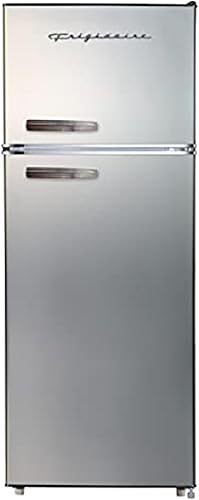
If you store natural peanut butter, you want a fridge that maintains a steady temperature around 37-40°F. Small refrigerators like the Frigidaire EFR753-PLATINUM (7.5 cu ft, 4.1 stars from 586 reviews, $329) offer reliable cooling and a dedicated freezer top. Its reversible door adds flexibility. For larger families, the Samsung RF18A5101SR/AA (18 cu ft, 3.9 stars, $1299) provides consistent temps across multiple shelves. Both models get positive long term feedback from buyers who store spreads and condiments.
Should You Refrigerate Peanut Butter in a Compact Fridge?
Compact fridges work well for a single jar if you have limited kitchen space. The Galanz GLR44BEER (4.4 cu ft, 3.9 stars, $259.99) is a budget friendly option with automatic defrost and adjustable shelves. However, it only has 3 shelves, so you may need to prioritize. Buyers note that smaller fridges can have temperature swings, so monitor yours with a thermometer. The Summit Appliance AL55 (4.2 cu ft, $1099) is pricier but undercounter, ideal for a bar or office. Its 2.0 star rating suggests inconsistent performance, so read recent reviews before buying.
Fridge Organization Tips for Peanut Butter Lovers
Store peanut butter on a middle shelf to avoid temperature extremes near the door or back. Keep it upright to prevent oil from leaking into the threads. If you buy in bulk, consider a second fridge like the Frigidaire FRQG1721AV (5.5 cu ft, 4.3 stars, $1499) for overflow. Its compact size fits in a garage or pantry. Buyers who use it for extra condiments and spreads report high satisfaction with the door storage layout. Avoid storing peanut butter near strong smelling foods; it can absorb odors over time.
Frequently asked questions
Should I refrigerate peanut butter after opening?
Only natural peanut butter needs refrigeration after opening to prevent oil separation and rancidity. Commercial peanut butter with stabilizers is fine in the pantry for up to three months.
How long does peanut butter last in the fridge?
Natural peanut butter lasts about six to nine months in the fridge. Commercial peanut butter can last even longer, but check for off smells or mold.
Does refrigerating peanut butter make it hard to spread?
Yes, refrigerated peanut butter is firmer. Let it sit at room temperature for 10 minutes before spreading, or microwave a small amount for a few seconds.
Can I store peanut butter in the freezer?
Yes, peanut butter freezes well for up to a year. Thaw it in the fridge before using. The texture may change slightly but it remains safe to eat.