Should You Refrigerate Potatoes? Here's What You Need to Know
Find out whether the fridge ruins potatoes or keeps them longer. Plus, which refrigerator features help maintain ideal humidity and temperature for all your produce.
No, you should not refrigerate raw potatoes. The cold temperature converts starches into sugars faster, leading to a sweeter taste and a gritty texture when cooked. Potatoes are best stored in a cool, dark, well-ventilated place like a pantry between 45 and 50°F. Refrigeration accelerates sugar buildup and can cause discoloration during frying.
However, cooked potatoes or cut raw potatoes can go in the fridge to prevent spoilage. And if your kitchen runs warm, a dedicated beverage fridge or compact refrigerator set to a higher temperature (around 50°F) can work. The key is avoiding the main fridge's chill that dips below 40°F. In this guide, we break down when refrigeration helps, when it hurts, and what refrigerator features matter for potato storage.

Why Refrigeration Changes Potato Taste and Texture
Potatoes stored below 40°F undergo cold-induced sweetening. Enzymes break down starches into reducing sugars like glucose and fructose. When cooked at high heat, these sugars react with amino acids in the Maillard reaction, producing dark, bitter, and potentially carcinogenic acrylamide. This is why refrigerated potatoes often turn brown or black when fried. They also become gritty or mealy. For best flavor and texture, keep raw potatoes between 45 and 50°F with good airflow. A pantry or cellar works best. If you must use a fridge, choose one with adjustable temperature controls that can be set above 40°F, such as some compact refrigerators or beverage coolers.
When Refrigeration Is Okay for Potatoes
Cooked potatoes, cut raw potatoes, and peeled potatoes should be refrigerated. Cooked potatoes can sit at room temperature for only two hours before bacteria multiply. Store them in a sealed container in the fridge for up to four days. Cut raw potatoes also need refrigeration to prevent browning and bacterial growth; submerge them in water and refrigerate for up to 24 hours. For whole raw potatoes, refrigeration is not recommended unless your home is very warm (above 70°F) and you lack a cool pantry. In that case, use the warmest part of your fridge (often the door or a dedicated drawer) and plan to use the potatoes within a week to minimize sugar buildup.
Best Refrigerator Features for Potato Storage
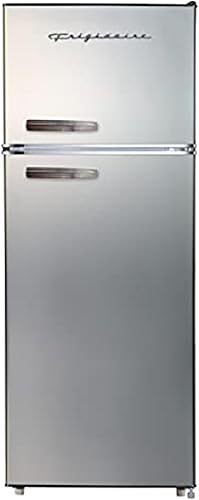
If you decide to refrigerate potatoes, look for a fridge with humidity control, adjustable temperature zones, and consistent cooling. Models with a dedicated produce drawer allow you to set higher humidity and slightly warmer temps. The Frigidaire EFR753-PLATINUM (4.1 stars, 586 reviews) offers a 7.5 cu ft capacity with a top freezer and manual defrost, giving you flexibility to adjust settings. For smaller spaces, the Galanz GLR44BEER (3.9 stars, 6 reviews) is a 4.4 cu ft standalone unit with automatic defrost and temperature control, suitable as a secondary fridge set to a warmer range. Both options let you separate potatoes from colder zones.
How Long Do Potatoes Last in a Fridge vs Pantry
In a pantry at 45-50°F, raw potatoes can last 3 to 5 weeks. In a fridge below 40°F, they may last longer physically but develop off-flavors in as little as one week. If you must refrigerate, expect a shelf life of 2 to 3 weeks with noticeable taste changes. The Samsung RF18A5101SR/AA (3.9 stars, 23 reviews) has a 18 cu ft capacity with French doors and a counter-depth design that includes adjustable shelves and temperature-controlled drawers, which can help maintain a consistent environment for produce. However, for long-term potato storage, a cool pantry is still superior.
Potato Storage Mistakes to Avoid
Never store potatoes with onions: onions release ethylene gas that speeds sprouting and spoilage. Also avoid washing potatoes before storage; moisture promotes mold and rot. Keep them in a paper bag or open basket for airflow, not sealed plastic bags. If you see sprouts, remove them immediately but the potato is still edible if firm. Greening indicates solanine buildup from light exposure; cut away green parts. For large batches, a chest freezer or upright freezer isn't for raw potatoes, but you can freeze cooked mashed or roasted potatoes for months.
Choosing the Right Refrigerator for Your Kitchen
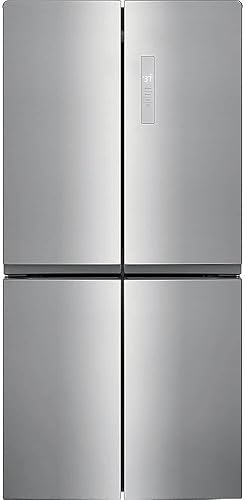
When selecting a refrigerator for overall food storage, consider capacity, configuration, and temperature precision. The Frigidaire FRQG1721AV (4.3 stars, 268 reviews) offers 5.5 cu ft with a top freezer and is rated highly for reliability. For a larger family, the Haier QHE16HYPFS (16.8 cu ft, side-by-side with quad doors) provides ample space and automatic defrost. Even if you won't refrigerate potatoes, these models excel at keeping other produce fresh with proper humidity control. Pairing a main fridge with a dedicated beverage fridge like the Galanz GLR44BEER gives you extra storage for items that need slightly warmer temps, like potatoes or wine.
Final Verdict: Fridge or No Fridge for Potatoes
For the best flavor and texture, store raw potatoes in a cool, dark pantry. Only refrigerate if your kitchen is too warm and you lack a suitable alternative, and then only for short periods. Use a fridge with adjustable temperature settings and a dedicated drawer to minimize cold damage. Models like the Frigidaire EFR753-PLATINUM or Galanz GLR44BEER can serve as secondary units set to 50°F. Remember that refrigeration is fine for cooked or cut potatoes. Ultimately, buying smaller quantities and storing them properly beats any fridge hack.
Frequently asked questions
Can you refrigerate potatoes to make them last longer?
Refrigeration extends physical shelf life but ruins flavor and texture. Potatoes develop a sweet taste and darken when fried. For longer storage without quality loss, use a cool pantry.
Is it safe to eat potatoes that were refrigerated?
Yes, it is safe as long as they are not spoiled. However, the taste and texture change noticeably. To minimize issues, keep them in the warmest part of the fridge and use within a week.
What temperature should potatoes be stored at?
Ideal storage temperature is 45-50°F. This slows sprouting and maintains starch structure. Refrigerators typically run 35-40°F, which is too cold for raw potatoes.
Can you store potatoes in a refrigerator drawer?
Yes, but only if the drawer has adjustable humidity and temperature control. A dedicated produce drawer with settings above 40°F can work. Otherwise, a pantry is better.