Should You Refrigerate Soy Sauce?
Get the straight answer on whether soy sauce needs refrigeration plus tips for keeping your bottle fresh longer and when a dedicated fridge helps.
The short answer is: it depends. Unopened soy sauce can sit in the pantry, but opened soy sauce lasts longer and tastes better when refrigerated. While soy sauce is shelf stable due to its high salt content, exposure to air and light can degrade its flavor over time. Refrigeration slows oxidation and helps preserve that umami punch you love.
Many cooks keep soy sauce in the cabinet for convenience, and that is fine if you go through a bottle within a few months. But if you use soy sauce sparingly or buy large bottles, the fridge is your friend. A cool, consistent temperature around 35-40°F keeps the flavor fresh for a year or more. For those who want dedicated condiment storage, a compact refrigerator can be a smart investment to keep your sauces and pickles at the ideal temperature without crowding your main fridge.


Unopened Soy Sauce: Pantry or Fridge?
Unopened soy sauce is perfectly stable at room temperature. The manufacturing process pasteurizes it, and the high sodium content prevents microbial growth. Store it in a cool, dark pantry away from heat sources. You do not need to refrigerate an unopened bottle, and doing so offers no benefit. Just keep it sealed until you are ready to use it.
Opened Soy Sauce: Why the Fridge Wins
Once opened, soy sauce is exposed to oxygen and airborne microbes. While it will not spoil dangerously, its flavor can fade or develop off notes. Refrigeration slows oxidation and enzymatic reactions, keeping the taste bright and salty for up to a year. If you refrigerate, the bottle may develop sediment or cloudiness, especially with naturally brewed soy sauce, but that is harmless. Shake before use.
How Long Does Soy Sauce Last in the Fridge?
Refrigerated, opened soy sauce maintains peak quality for about 12 to 18 months. Unrefrigerated, it is best used within 3 to 6 months for optimal flavor. Check for changes in color, smell, or taste: if it smells sharp or metallic, it is past its prime. Even then, it is still safe to eat but not pleasant. Always use a clean utensil to avoid introducing bacteria.
When a Dedicated Fridge Makes Sense for Condiments
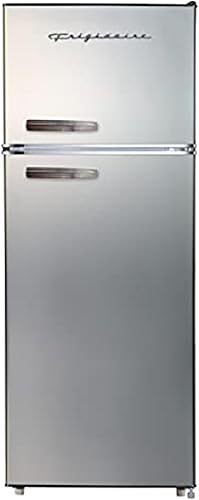
If you collect multiple soy sauces, fish sauces, or vinegars, a compact refrigerator like the Galanz GLR44BEER (4.4 cu ft, $259.99) or the Frigidaire EFR753-PLATINUM (7.5 cu ft, $329.00) can free up space in your main fridge. These units keep a consistent temperature ideal for condiments. The Galanz is compact and affordable, while the Frigidaire offers more capacity and a 4.1-star rating from 586 reviews. Both are freestanding and fit under counters.
Does Soy Sauce Need to Be in the Main Fridge Door?
The refrigerator door is the warmest part of the fridge, often fluctuating several degrees. For long term storage, place soy sauce on a shelf near the back where temperatures are stable. In a dedicated beverage fridge or compact unit, the temperature is more uniform. The Summit Appliance AL55 (undercounter, $1,099) provides precise control, though its 2.0-star rating suggests mixed user satisfaction.
Signs Your Soy Sauce Has Gone Bad
Soy sauce rarely becomes unsafe, but quality degrades. Look for mold on the rim, a fermented or alcoholic smell, or a metallic taste. If the color darkens significantly or the texture becomes syrupy, it is time to replace it. Proper storage in a sealed container in the fridge dramatically reduces these issues.
Should You Refrigerate Soy Sauce? The Bottom Line
For most households, refrigerating opened soy sauce is the best practice. It preserves flavor and extends shelf life. If you use it quickly, pantry storage is fine. For collectors or large bottles, a compact refrigerator like the Frigidaire EFR753-PLATINUM offers dedicated space. Ultimately, refrigeration is a simple step that ensures your soy sauce tastes its best every time.
Frequently asked questions
Can soy sauce go bad if not refrigerated?
Soy sauce will not spoil dangerously due to its high salt content, but its flavor degrades faster at room temperature. For best taste, refrigerate opened bottles and use within a year.
Why does my soy sauce have sediment after refrigeration?
Sediment is normal, especially in naturally brewed soy sauce. It is harmless protein and amino acid crystals. Just shake the bottle before using.
Is it safe to store soy sauce in a cabinet above the stove?
Not ideal. Heat from cooking accelerates flavor loss. Store in a cool, dark pantry or the fridge for longer quality.
Can I freeze soy sauce to make it last even longer?
Freezing is safe but unnecessary. The high salt content keeps it from freezing solid, and thawing may alter texture. Refrigeration is sufficient.