Should You Refrigerate Tomatoes? Here's the Truth
The great tomato storage debate ends here. Discover when refrigeration helps, when it hurts, and how to keep tomatoes flavorful for weeks. Plus, fridge picks that maintain ideal humidity.
No, you should not refrigerate whole, ripe tomatoes if you plan to eat them within a few days. Cold temperatures below 50°F halt the ripening process and break down cell walls, turning juicy tomatoes mealy and dulling their flavor. The question "should you refrigerate tomatoes" has a nuanced answer: it depends on ripeness and how quickly you'll use them. For peak taste and texture, store unripe tomatoes on the counter stem-end down until fully red, then enjoy within 2-3 days. Only refrigerate fully ripe tomatoes you cannot eat in time, or cut tomatoes to prevent spoilage, but let them warm to room temperature before serving to restore some flavor. The right refrigerator setup with consistent temperature and proper humidity can extend tomato life without sacrificing quality. We'll break down the science and recommend fridges that help you store tomatoes and other produce at their best.


Refrigeration Ruins Tomato Texture and Taste
The short answer to should you refrigerate tomatoes is: not if you can help it. Refrigeration below 50°F triggers a process that degrades the cell membranes, leading to a mealy, mushy texture. Volatile compounds responsible for that sweet, tangy tomato flavor stop being produced and some are actually destroyed. Studies have shown that tomatoes stored at room temperature have higher levels of aroma compounds compared to refrigerated ones. If you must chill a very ripe tomato, use the warmest part of your fridge (usually the door or top shelf) and let it sit on the counter for 30 minutes before eating. The flavor won't fully recover, but it will be better than eating it cold.
When Refrigeration Makes Sense for Tomatoes
Refrigeration is acceptable when tomatoes are fully ripe and you won't eat them within two days. It can extend their shelf life from a few days to about a week. Also, any cut or sliced tomatoes must go in the fridge to prevent bacterial growth. For maximum freshness, place them in a single layer in a bowl or container, not in a sealed plastic bag which traps ethylene gas and speeds spoilage. The ideal fridge humidity for tomatoes is moderate around 65-70% too dry and they shrivel, too wet and they rot. Fridges with adjustable humidity drawers or consistent temperature control help balance this, making them a smart choice for tomato lovers.
How to Store Tomatoes for Best Flavor and Longevity
For unripe tomatoes, keep them at room temperature (60-70°F) out of direct sunlight, stem side down, until they turn deep red and yield slightly to pressure. Once ripe, eat within a couple of days or move to the fridge if needed. Never refrigerate green tomatoes the cold prevents ripening permanently. For cherry or grape tomatoes, the same rules apply but they tend to last longer at room temp due to thicker skin. If your kitchen runs hot (above 75°F), tomatoes ripen too fast and may rot; a cooler spot or brief refrigeration might be necessary. The best approach is to buy only what you'll use and store at room temp, reserving the fridge as a last resort.
The Best Refrigerator Features for Tomato Storage
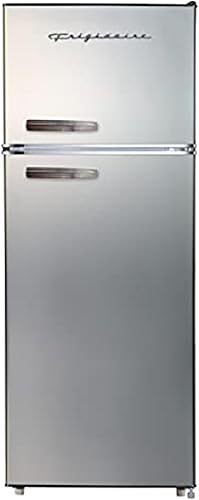
Not all fridges treat tomatoes equally. Look for models with adjustable temperature zones or dedicated produce drawers with humidity control. The Frigidaire EFR753-PLATINUM (4.1 stars, 586 reviews) offers a 7.5 cu ft capacity with a reversible door and good overall temperature stability for its price. For larger households, the Samsung RF18A5101SR/AA (18 cu ft, French door, 3.9 stars) has a counter-depth design with a full-width drawer that can be set to moderate humidity. The Frigidaire FRQG1721AV (5.5 cu ft, 4.3 stars) is a reliable option for smaller kitchens. Even the compact Galanz GLR44BEER (4.4 cu ft, 3.9 stars) can work if you use its main compartment for produce and adjust the thermostat carefully.
Tomato Storage Myths Debunked
Myth: Never refrigerate tomatoes ever. Truth: It's a trade-off, but if you have a glut of ripe garden tomatoes, the fridge can save them from going to waste. Myth: Storing tomatoes stem-end down ruins them. Fact: Stem-end down reduces air exposure at the blossom scar and can slow moisture loss. Myth: Tomatoes must be kept in a crisper drawer. Reality: The crisper's high humidity is okay for short periods, but too much moisture encourages mold. A general fridge shelf with stable temperature works fine for a few days. Always store tomatoes away from apples, bananas, and melons, which emit ethylene gas that accelerates ripening.
Final Verdict: Refrigerate Only When Necessary
The best practice for answering should you refrigerate tomatoes is to keep them on the counter until perfectly ripe, then enjoy promptly. If you have more than you can eat in a few days, refrigerate them in the warmest part of your fridge and restore flavor by bringing to room temp. For cut or cooked tomatoes, always refrigerate. The fridges we recommend above all offer reliable temperature control and ample space for your produce. Remember, no fridge can make a refrigerated tomato taste as good as a counter-ripened one, but a well-designed appliance can minimize the damage. Choose a fridge that fits your kitchen and habits, and you'll have better tomatoes year-round.
Frequently asked questions
Should I refrigerate tomatoes to make them last longer?
Yes, but only if they are fully ripe. Refrigeration can extend shelf life from 2-3 days up to a week. The trade-off is loss of flavor and mealy texture. Let them warm up before eating.
Can I refrigerate green tomatoes to ripen them later?
No. Refrigeration permanently stops the ripening process. Green tomatoes need room temperature (60-70°F) to develop color and flavor. Once refrigerated, they will not ripen.
How long can tomatoes stay in the fridge without going bad?
Ripe whole tomatoes can last 5-7 days in the fridge if stored properly in a single layer. Check regularly for soft spots or mold. Cut tomatoes last 2-3 days refrigerated in a sealed container.
What is the best way to store tomatoes in the fridge?
Place them in a single layer on a shelf, not in a sealed bag. Avoid the crisper drawer if too humid. Use the warmest zone (door or top shelf) and consume within a week.