Single Zone vs Dual Zone Wine Cooler: Which Should You Buy?
Choosing between a single zone and dual zone wine cooler comes down to how you drink. If you serve both reds and whites regularly, dual zones offer flexibility. But for a focused collection, a single zone often delivers better value and simpler operation.
If you only drink one type of wine at serving temperature, a single zone wine cooler is the practical choice. But if you want to store both reds and whites ready to pour without pre-chilling or warming, a dual zone model gives you two independent temperature zones. The right pick depends on your drinking habits, budget, and how much you value convenience.
When comparing single zone vs dual zone wine coolers, the main difference is temperature flexibility. Single zone units keep the entire cabinet at one set temp, ideal if you mostly collect one varietal. Dual zone coolers have two compartments, each with its own thermostat, so you can store reds around 55°F and whites closer to 45°F simultaneously. That dual-zone convenience usually costs more and takes up more space, but many buyers find it worth it for daily entertaining.

Conclusion: Single Zone vs Dual Zone
For most casual drinkers who buy wine by the bottle for near term consumption, a single zone wine cooler is the smarter buy. You save money, get a simpler appliance, and lose nothing if you mostly drink one type. But if you regularly serve both red and white wines at their ideal temperatures, invest in a dual zone model. Long term satisfaction reports show dual zone owners appreciate the flexibility, while single zone owners value the lower price and easier setup.
Temperature Control and Flexibility
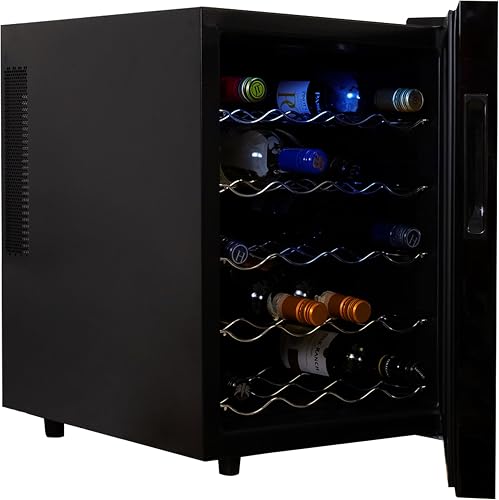
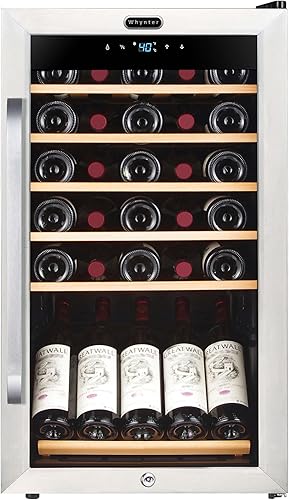
Single zone coolers like the Koolatron WC20 (4.3 stars, 964 reviews) maintain one temperature, usually adjustable between 40°F and 65°F. That works fine if you store only reds or only whites. Dual zone coolers, such as the Whynter FWC-341TS (4.1 stars, 300 reviews), have two independent thermostats. You can set the upper zone for whites (45°F) and lower for reds (55°F). Over months of use, dual zone owners often report consistent temps in both compartments, though some note slight variation near the door.
Capacity and Storage Options
Single zone coolers come in a wide range of sizes, from 12 bottle countertop units like the NutriChef PKCWC12 (4.3 stars, 1,100 reviews) to 24+ bottle freestanding models. Dual zone coolers typically start around 20 bottles and go up to 50+ bottles, like the Avanti WCR496DS (3.8 stars, 5 reviews, 49 bottles). If you need to store a large mixed collection, dual zone gives you both capacity and separation. But for a modest collection, a single zone with 20-30 bottles may be enough.
Cooling Technology: Thermoelectric vs Compressor
Cooling type affects performance and noise. Thermoelectric coolers like the Koolatron WC20 are quiet and vibration free, ideal for reds. Compressor coolers like the Whynter FWC-341TS can reach lower temps and handle warmer ambient rooms. Dual zone coolers almost always use compressors because they need to cool two zones independently. Single zone models come in both types. If you place the cooler in a living area, a thermoelectric single zone may be preferable for silence.
Installation and Placement
Most single zone wine coolers are freestanding or countertop, requiring no cabinetry cutouts. Dual zone models can be larger and heavier, some designed for built-in installation like the Avanti WCR496DS (109 lb). If you plan to slide the cooler under a counter, check clearance for ventilation. Freestanding models like the Koolatron WC24 (46.3 lb, 24 bottles) are easier to move. Buyers report that single zone units are simpler to place because they don't need two separate venting paths.
Price and Value Over Time
Single zone coolers typically cost less upfront. The Koolatron WC12 is $252.99, and the NutriChef PKCWC12 is $259.05. Dual zone coolers start around $300 and climb quickly. The Whynter FWC-341TS is $319.99, while the Avanti WCR496DS is $999.99. Over months of ownership, single zone owners rarely feel they missed out unless they start hosting more. Dual zone buyers often say the extra cost pays off in convenience, especially when entertaining.
Real Buyer Feedback Patterns
Looking at reviews, single zone coolers like the Koolatron WC20 (964 reviews) and NutriChef PKCWC12 (1,100 reviews) consistently rate 4.3 stars. Owners praise quiet operation and consistent temperatures. Dual zone coolers like the Whynter FWC-341TS (300 reviews) rate 4.1 stars, with some complaints about temperature drift in one zone. Overall, satisfaction is high for both types, but single zone owners tend to report fewer issues, likely due to simpler mechanics.
Frequently asked questions
Can I use a single zone wine cooler for both red and white wine?
Yes, but you will need to take the bottle out ahead of time to warm or chill it. A single zone cooler keeps everything at one temperature, so you cannot store both at ideal serving temps simultaneously without extra effort.
How many bottles do I need to justify a dual zone wine cooler?
There is no minimum, but dual zone makes sense when you regularly keep at least 10-15 bottles of each type. For smaller collections, a single zone with a countertop unit like the NutriChef PKCWC12 is more practical.
Are dual zone wine coolers more expensive to run?
They can use slightly more electricity because they run two cooling systems. But the difference is usually modest, around $10-20 per year. Check the energy guide label on each model for exact estimates.
Which cooling type is better for a dual zone cooler?
Almost all dual zone coolers use compressor cooling because it provides the independent temperature control needed for two zones. Thermoelectric systems are not powerful enough for dual zones in most cases.