What Foods Should Not Be Refrigerated?
Chilling certain foods ruins their texture, flavor, and shelf life. Learn which items belong on the counter instead of the fridge, and when a dedicated beverage cooler or compact refrigerator helps.
Tomatoes, potatoes, onions, garlic, bread, coffee, honey, and most whole fruits should not be refrigerated. Cold temperatures damage their cell structure, speed spoilage, or cause flavor loss. Knowing what foods should not be refrigerated saves money and preserves taste.
Refrigeration is great for dairy, meat, and leftovers, but it is not a universal solution. Many fruits and vegetables fare worse in the fridge. For example, refrigerating tomatoes makes them mealy; potatoes turn sweet and gritty; onions become soft and moldy. Even pantry staples like bread dry out faster, and honey crystallizes. A simple rule: if it grew underground or ripens after picking, it likely prefers cool, dry air over cold. When your fridge is already crowded with the right items, consider a dedicated beverage fridge for drinks, freeing main fridge space for perishables.


Why Refrigeration Hurts Some Foods
Cold temperatures can damage the cell walls of certain fruits and vegetables, causing texture breakdown. Potatoes convert starches to sugars in the cold, making them sweet and gritty when cooked. Tomatoes lose flavor and turn mealy. Onions and garlic absorb moisture in the fridge, leading to mold and sprouting. Even tropical fruits like bananas and avocados stop ripening properly. The fridge is ideal for foods that spoil from bacteria or mold, not for those that continue to ripen or rely on dry storage.
Fruits That Stay Better on the Counter
Most whole fruits should not be refrigerated until they are fully ripe. Bananas, apples, citrus, melons, peaches, and plums all ripen best at room temperature. Once ripe, you can refrigerate apples and citrus for a few extra days, but bananas turn black in the fridge (though the inside stays fine). Stone fruits like peaches become mealy if chilled too early. Keep them in a fruit bowl, away from direct sun, and eat within a few days.
Vegetables That Prefer the Pantry
Root vegetables such as potatoes, sweet potatoes, onions, garlic, and winter squash store best in a cool, dark, dry place, not the fridge. Potatoes should be kept in a paper bag or basket; onions need airflow. Refrigerating them causes sprouting, moisture loss, and off-flavors. Tomatoes, as mentioned, are best at room temperature. Cucumbers and bell peppers can go either way, but they last longer in the fridge crisper drawer. However, if you have a dedicated beverage refrigerator like the Galanz GLR44BEER for drinks, your main fridge stays organized for produce that needs cold.
Condiments and Sauces: Fridge or Not?
Many condiments are shelf-stable due to vinegar, sugar, or salt. Ketchup, mustard, hot sauce, soy sauce, and honey do not need refrigeration once opened, though people often refrigerate for preference. Butter can stay on the counter for a week if salted. However, dairy-based sauces, jams (after opening), and natural peanut butter (to prevent oil separation) benefit from chilling. Check labels: if it says refrigerate after opening, follow it. Otherwise, your fridge space is better used for eggs, milk, and leftovers.
Baked Goods and Bread Storage
Bread, cakes, and pastries become stale faster in the refrigerator. The cold air draws moisture out, accelerating staling. Store bread in a bread box or paper bag at room temperature for up to three days. For longer storage, freeze it. Cookies and muffins are fine in an airtight container on the counter for a week. Only refrigerate baked goods with dairy fillings or cream. If your fridge is packed and you need more room for drinks, a compact refrigerator like the Frigidaire EFR753-PLATINUM can serve as a drink or snack fridge.
Coffee, Oils, and Other Pantry Staples
Coffee beans or grounds should never be refrigerated. They absorb odors and moisture, ruining flavor. Store in an airtight container in a cool cabinet. Olive oil and other cooking oils turn cloudy and thick in the fridge; keep them in a dark pantry. Honey crystallizes in the cold but can be reversed by warming. Chocolate can develop blooming (white spots) from temperature swings, so a cool cabinet is better than the fridge. Dried herbs and spices also lose potency in the cold.
When a Dedicated Fridge Helps Free Up Space
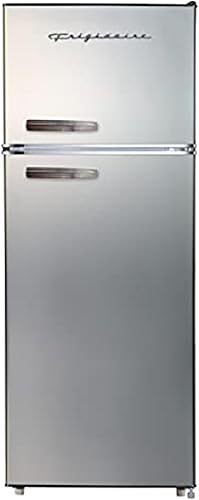
If you love meal prepping or hosting, a secondary refrigerator can store drinks, snacks, or overflow produce without crowding your main fridge. The Frigidaire EFR753-PLATINUM (7.5 cu ft) offers top freezer storage and 4.1 stars from 586 reviews, ideal for a garage or basement. The Galanz GLR44BEER (4.4 cu ft) is a compact beverage fridge with 3.9 stars. For undercounter needs, the Summit Appliance AL55 (4.2 cu ft) fits nicely but has a lower rating. These let you keep the main fridge for items that truly need chilling, while the secondary holds drinks and pantry items that benefit from cool, stable temps.
Frequently asked questions
Should I refrigerate eggs?
In the US, eggs are washed and need refrigeration to prevent salmonella. In many other countries, eggs are unwashed and can sit on the counter. For US eggs, always refrigerate.
Can I refrigerate bananas?
You can refrigerate ripe bananas to extend shelf life a few days, but the peel will turn black. The fruit inside stays fine. Unripe bananas should stay on the counter.
Is it okay to refrigerate bread?
No, refrigerating bread makes it go stale faster. Store at room temperature for a few days or freeze for longer storage. Only refrigerate if it has a dairy filling.
Do I need a fridge for ketchup?
Ketchup is shelf-stable due to vinegar and sugar. Many people refrigerate for taste, but it is not necessary. Check the label; some brands recommend refrigeration after opening.