What Temperature to Store Wine: The Practical Guide for Home Bottles
The simple, science-backed answer to what temperature to store wine, plus why your kitchen fridge is the wrong place for anything you want to keep.
If you have ever wondered what temperature to store wine, the short answer is that most bottles keep best around 53 to 57 degrees Fahrenheit, with 55 being the classic target for long-term storage. That single number matters less than holding it steady, because the real enemy of wine is not warmth so much as swings, light and vibration. A bottle parked in a stable, dark, slightly cool spot will outlast the same bottle bouncing between a hot kitchen counter and a cold draft by the back door.
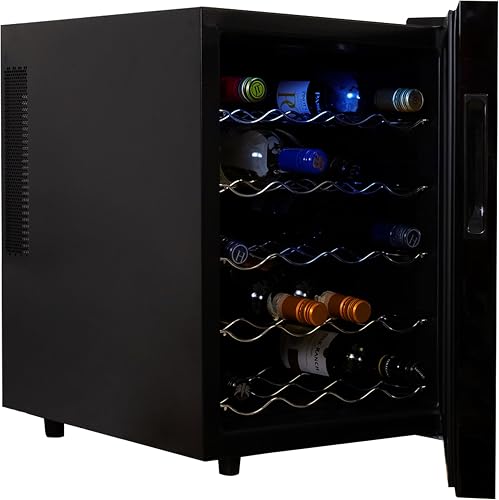
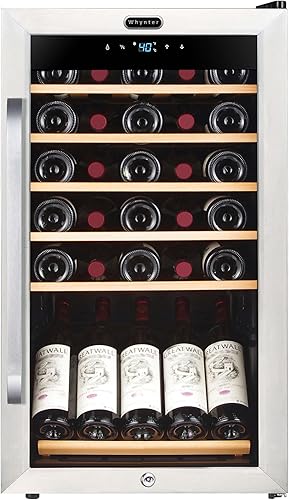
Below we break down the ideal storage temperature for reds and whites, explain why the kitchen refrigerator quietly ruins wine you meant to keep, and walk through how to hold the right temperature without guesswork. If you are tired of fighting your fridge, a dedicated wine cooler does this job automatically, and we point to our tested picks at the end.

The ideal storage temperature, in plain numbers
For wine you intend to keep for months or years, aim for roughly 53 to 57 degrees Fahrenheit, with 55 as the reliable middle of that band. That range applies to both reds and whites for storage, which surprises people who assume reds want it warmer. They do not, at least not for keeping. The warmer feel of a red is about serving temperature, which is a separate decision made shortly before you pour. The reason 55 works is that it is cool enough to slow the chemical aging of the wine to a graceful, even pace, but not so cold that it stalls development or risks freezing. Below about 45 degrees, aging crawls and a cork can dry from low humidity; above the mid 60s, wine ages too fast and can taste flat or cooked. Holding near 55 keeps the wine on the slow, intended path the winemaker had in mind.
Storage temperature vs serving temperature
These two get tangled constantly, so it helps to separate them cleanly. Storage temperature is where a bottle lives for the long haul, and that target is steady and singular at around 55 degrees regardless of color. Serving temperature is a short-term adjustment you make in the last hour before drinking, and it does change by style. As a rough guide, sparkling and light whites pour best quite cold, fuller whites and rose a touch warmer, light reds cool, and bold reds closest to cellar temperature rather than true room temperature. The practical takeaway is that you do not need to store reds and whites in separate climates to drink them well. You store everything near 55, then nudge a specific bottle warmer or cooler right before you open it. A wine fridge with two zones can hold both a ready-to-pour white and a near-serving red at once, but for pure storage, one steady temperature is enough.
Why your kitchen refrigerator is the wrong place
A standard kitchen refrigerator runs around 37 to 40 degrees Fahrenheit, which is correct for food safety and far too cold for wine. At that temperature, aging essentially stops and delicate aromas can dull. Just as damaging is what a busy fridge does day to day: the door opens constantly, the compressor cycles, and the temperature bounces. Wine hates that instability. The fridge is also a dry environment designed to pull moisture out of food, and over weeks that low humidity can shrink a natural cork until air sneaks in and oxidizes the wine. Add the vibration of the compressor and the fact that bottles usually end up standing upright in a door shelf, and you have a setup that is fine for chilling a bottle you will drink tonight but quietly harmful to anything you want to keep for more than a few days. Use the kitchen fridge as a short-term chiller, not a cellar.
The other factors that matter as much as temperature
Temperature is the headline, but three companions decide whether wine truly keeps. First is stability: a steady 60 degrees beats a spot that swings between 50 and 70, because each cycle expands and contracts the liquid and stresses the seal. Second is darkness, because ultraviolet light breaks down compounds in wine and is especially hard on lighter, less protected bottles, which is why so many are made of green or amber glass. Third is humidity, ideally somewhere in the 50 to 70 percent range, which keeps natural corks supple so they stay airtight. Lay bottles with natural corks on their side so the wine keeps the cork moist from the inside; screw-cap bottles can sit however you like. Finally, keep wine away from strong odors and unnecessary vibration. A closet on an interior wall handles several of these for free, which is why it often beats a sunny rack on the kitchen counter.
How to actually hold the right temperature at home
You have three realistic options, in rising order of reliability. The cheapest is a passive spot: an interior closet, a basement corner, or a cabinet away from the oven, dishwasher and exterior walls. Drop a small thermometer in there and watch it across a few days and seasons before you trust it, because many homes drift warm in summer. The second option is a passive cellar or insulated nook, which works in the right climate but still follows the seasons unless you live somewhere consistently cool. The third and most dependable option is a dedicated wine cooler, which is simply a small refrigerator engineered to hold the mid 50s rather than the upper 30s. You set the temperature, the unit keeps it steady, the interior stays dark, and good models manage humidity and dampen vibration. For anyone who buys wine faster than they drink it, that hands-off consistency is the whole point.
When a wine cooler is worth it
If your collection is a handful of bottles you will finish within a week or two, you do not need an appliance; a stable, dark cabinet is fine. A wine cooler earns its place once you are aging bottles, buying ahead, or simply tired of your kitchen fridge being too cold and too crowded. The sizing question is straightforward: count the bottles you typically have on hand, then leave headroom, because collections grow. Decide whether you want a single zone, which is ideal for pure storage at one steady temperature, or a dual zone, which lets you hold whites at a ready-to-serve chill in one compartment and reds near cellar temperature in the other. Also choose between freestanding, which needs breathing room around the vents, and built-in, which is engineered to sit flush in cabinetry. We rank current models by capacity, zone layout, temperature stability and real buyer demand in our wine cooler reviews, so you can match a unit to your bottle count and budget.
A quick checklist before you store anything
Before you tuck bottles away for the long term, run through five quick checks. One, is the spot near 55 degrees and, more importantly, steady? Two, is it dark, with no direct sun or harsh light? Three, is humidity reasonable, not bone dry like a frost-free freezer or a heated room? Four, are natural-cork bottles lying on their sides? Five, is the location free of vibration, heat sources and strong smells? If a passive spot in your home ticks all five, use it and save your money. If it fails two or more, especially stability and temperature, that is your sign to let a wine cooler do the work so your bottles age the way they were meant to rather than the way your kitchen dictates.
Frequently asked questions
What is the best temperature to store wine long term?
Around 55 degrees Fahrenheit, within a 53 to 57 degree band, for both reds and whites. The exact number matters less than keeping it steady, since temperature swings, light and dryness do more damage to stored wine than a few degrees of constant warmth.
Can I store wine in my regular refrigerator?
Only short term. A kitchen fridge runs about 37 to 40 degrees, which is too cold for aging and too dry, so over weeks the cork can shrink and the wine can dull. It is fine for chilling a bottle you will drink within a few days, not for keeping.
Do red and white wine need different storage temperatures?
No, not for storage. Both keep best near 55 degrees. The difference between reds and whites is serving temperature, which you adjust in the last hour before drinking. A dual-zone wine cooler can hold one ready-to-pour and one near cellar temperature at the same time.
Is a wine cooler worth it instead of a wine rack?
If you only keep a few bottles you will drink soon, a dark, stable cabinet is enough. A wine cooler is worth it once you age bottles, buy ahead, or lack a spot that stays cool and steady, because it holds the mid 50s automatically with no seasonal drift.