When to Replace a Refrigerator (and When a Repair Is the Smarter Move)
The practical signs, the running-cost math and the age rules that tell you when to replace a refrigerator instead of pouring money into another repair.
A refrigerator rarely dies all at once. It nags you first, with a freezer that frosts over, a hum that turns into a clatter, a power bill that creeps up for no obvious reason, or a service call that fixes one thing while two more wait their turn. The hard question is not whether something is wrong. It is whether the unit is worth saving, because knowing when to replace a refrigerator instead of repairing it again is the difference between a one-time cost and a slow drain.
This guide gives you a straightforward way to make that call. We will walk through the warning signs that actually matter, the simple repair-versus-replace math that cuts through the guesswork, and the age and efficiency thresholds where a new fridge starts paying for itself. Work through it and you will know whether to book a technician or start shopping, with our current refrigerator picks ready when you decide it is time to move on.

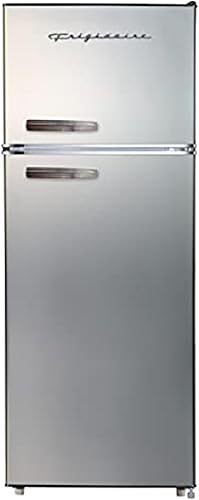
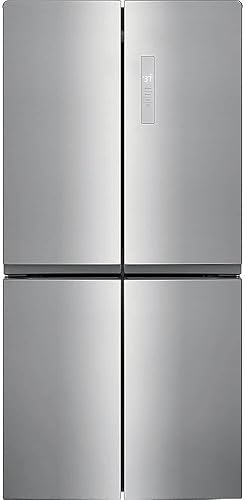
How long a refrigerator is supposed to last
Before you judge any single symptom, set a baseline for what is normal. Most full-size refrigerators are built to run for roughly ten to fifteen years, with compact and budget units often landing on the shorter end and well-maintained, higher-quality models occasionally stretching beyond that. Where your fridge sits on that timeline changes the whole calculation. A fault in a four-year-old unit usually means a repair, because the rest of the machine still has most of its life ahead of it. The same fault in a thirteen-year-old fridge is a different story, since fixing one failing part on an appliance that is already near the end of its expected run often just buys you a few months before the next thing goes. If you do not know the age, check the model and serial plate inside the fridge or behind the kick panel, because the manufacture date is usually encoded there and it anchors every decision that follows.
The repair-versus-replace math, in one rule
When a quote comes in, you do not need a spreadsheet, you need one habit: compare the repair cost against the price of a suitable replacement, and weigh it against the unit's age. A widely used rule of thumb is the fifty-percent test. If a repair would cost more than half of what a comparable new refrigerator costs, replacement is usually the better value, especially on an older machine. A second, blunter version factors in age directly: if the fridge is past about eight years old and the repair runs into the hundreds, lean toward replacing. The logic is simple. Money spent fixing an aging unit does nothing to extend its overall lifespan, so a $400 repair on a twelve-year-old fridge is $400 that buys you no guarantee of another year. The same $400 put toward a new, efficient model resets the clock and starts cutting your running cost from day one. Always get the diagnosis and the price in writing first, then run it through this one rule before you authorize any work.
Warning signs that point to replacement
Some symptoms are routine, and some are the appliance telling you it is winding down. Treat the following as replacement-leaning, particularly in combination on an older unit. The compressor, the heart of the system, is failing: that shows up as a fridge that runs constantly, struggles to hold temperature, or is hot to the touch on the back or sides far beyond normal warmth. The motor area clicks on and off rapidly or stays silent. There is condensation or frost building inside despite a frost-free design, which points to a sealing or defrost problem. Food spoils faster than it should, or the fridge can no longer keep a steady cold. You are calling for service repeatedly, fixing a different part each time. Any one of these on a newer fridge is worth a repair quote. Several of them together, on a unit near or past a decade old, is the appliance making the decision for you.
When a repair is clearly the smarter move
Replacement is not the answer to every problem, and swapping out a fixable fridge is its own kind of waste. Plenty of faults are cheap, common and worth fixing, especially on a unit that is only a few years old. A torn or hardened door gasket that lets cold air leak is an inexpensive part that restores efficiency in minutes. A fridge that has stopped cooling well because the condenser coils are caked in dust often just needs a thorough cleaning, not a new machine. A failed thermostat, a stuck defrost timer, a worn fan motor or a clogged water line are all targeted repairs that cost a fraction of a replacement and leave the rest of a healthy fridge intact. The deciding factor is always the same pairing: the age of the unit and the size of the bill. A modest repair on a fridge with years of life left is money well spent, and reaching for a new appliance to dodge a simple fix is the costlier mistake.
If you've decided to replace: do it on your terms
Once the math points to a new fridge, a little planning keeps a forced replacement from becoming a rushed, overpriced one. Measure the opening, the depth and the height of the space, and check the delivery path through doorways and hallways, before you fall for any model, because a fridge that does not fit is no bargain. Match the configuration, whether top-freezer, bottom-freezer, side-by-side or French-door, to how you actually cook and shop rather than to looks. Size it honestly to your household instead of buying bigger out of habit, since extra cubic feet is extra cold air to maintain every hour. Make ENERGY STAR certification and the kilowatt-hour figure core specs, not fine print, so the unit you choose keeps paying you back across its life. And if the old fridge still limps along, that breathing room lets you wait for a genuinely good price rather than grabbing whatever is in stock the day it finally quits. Use the criteria above to set your limits, then start from the recommended models below, each judged on verified owner demand rather than marketing copy.
A quick framework before you book or buy
Pull the threads together into a short sequence you can run in a couple of minutes. First, find the age from the serial plate and place it against the ten-to-fifteen-year lifespan. Second, get a written diagnosis and repair quote, then apply the rule: if the fix tops half the cost of a comparable new unit, or if the fridge is past roughly eight years old and the repair runs into the hundreds, lean toward replacing. Third, scan the symptoms, treating compressor trouble, repeat failures and persistent temperature loss as replacement-leaning, while gaskets, dirty coils and single small parts point to repair. Fourth, factor in the running cost, because an old, inefficient unit is costing you every month regardless of whether it breaks. If two or more of these line up toward replacement, stop spending on the old machine and start shopping with clear measurements and an efficiency target in hand.
Frequently asked questions
How long should a refrigerator last before it needs replacing?
Most full-size refrigerators are built to run for roughly ten to fifteen years, with compact and budget units often nearer the shorter end. Check the manufacture date on the model and serial plate inside the fridge or behind the kick panel, because the unit's age is the single biggest factor in deciding whether a fault is worth repairing.
Is it cheaper to repair or replace a refrigerator?
Use the fifty-percent test: if a repair would cost more than half the price of a comparable new fridge, replacement is usually the better value, especially on an older unit. As a blunter version, if the fridge is past about eight years old and the repair runs into the hundreds, lean toward replacing, since money spent on an aging machine doesn't extend its overall lifespan.
What are the signs a refrigerator is dying?
Watch for a compressor that runs constantly or leaves the back and sides unusually hot, frost or condensation building inside a frost-free unit, food spoiling faster than it should, an inability to hold a steady cold, and repeated service calls fixing a different part each time. One sign on a newer fridge usually means a repair; several together on a decade-old unit point to replacement.
Does an old refrigerator really use more electricity?
Yes. Refrigerator efficiency has improved sharply, so a unit from a decade or more ago can draw noticeably more power to do the same job as a current ENERGY STAR model. Because a fridge runs continuously, that gap shows up on every monthly bill, which often tips an aging, repair-needing fridge toward replacement rather than another fix.