Why Is My Ice Maker Not Making Ice? Common Causes & Solutions
If you're asking yourself why is my ice maker not making ice, you're not alone. Here are the most likely culprits and how to get back to chilled drinks in no time.
The most common reasons an ice maker stops producing ice are simple: a frozen water line, a clogged filter, or the unit is too warm. Start by checking if the water line is frozen or kinked. Then look at the water filter if you have one. If those check out, make sure the room temperature is above 50°F and the unit is level. Most countertop ice makers need ambient temps between 50 and 90°F to work properly.
If you’ve tried these steps and still wonder why is my ice maker not making ice, the issue might be mechanical. Things like a faulty water pump, a broken ice mold thermostat, or a bad motor can stop production. For built-in units, check the water supply valve. For portable models, a reset often helps. If your machine is older or has low review ratings, it may be time to replace it rather than repair it.


Check the Water Supply First
The most frequent cause of an ice maker stopping is lack of water. For countertop ice makers, make sure the reservoir is filled to the line. For built-in units, check that the water line is not kinked or frozen. If you have a water filter, replace it if it’s old. A clogged filter restricts flow. Also, ensure the water valve behind the fridge is fully open. Many people forget this simple step. If water is getting in but no ice forms, the issue is likely inside the machine.
Look at the Temperature Settings
Ice makers need a certain temperature range to work. For refrigerator ice makers, the freezer should be at 0°F or below. If it’s warmer, ice production slows or stops. For portable ice makers, the ambient room temperature matters. Most models require at least 50°F to operate. If the room is too cold or too hot, the unit may shut off. Check your owner’s manual for the specific range. Also, make sure the unit is level: if it’s tilted, the ice tray may not fill properly.
Inspect for Frozen Lines or Clogs
A frozen water line is common in refrigerator ice makers. If the fill tube freezes, no water can enter the ice mold. This often happens when the freezer is too cold or the door is left open. To thaw, turn off the ice maker and use a hair dryer on low heat to warm the tube. Never use a sharp object. For portable machines, check the drain plug and ensure no ice is blocking the auger or tray. If you find a jam, unplug the unit and let it thaw completely.
Reset the Ice Maker
Many ice makers have a reset button or a specific sequence to restart them. For Whirlpool and KitchenAid models, hold the ON/OFF button for 10 seconds. For portable units, unplugging for 30 seconds often works. A reset can clear error codes and restart the cycle. After resetting, wait 24 hours for a fridge ice maker or 30 minutes for a countertop model to see if production resumes. If not, the problem may be a faulty component.
Evaluate the Ice Maker’s Age and Reviews
If your ice maker is more than 5 years old or has consistent low ratings from buyers, replacement might be more cost-effective than repair. Countertop models with average ratings below 4 stars often have persistent issues. For example, the Summit Appliance BIM44G has only a 1.2-star rating across 4 reviews (at $1773), suggesting serious problems. In contrast, the NewAir AI-100R holds a solid 4.1 stars from 892 reviews at $150, indicating reliable long-term satisfaction. Check review patterns to see if other owners report the same issue months later.
When to Consider a New Ice Maker
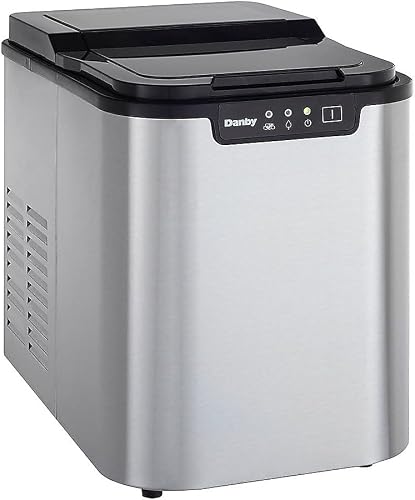
If troubleshooting fails and repair costs are high, buying a new ice maker makes sense. Look for models with high ratings and a good price-to-value ratio. The Danby DIM2500SSDB ($120, 4.1 stars from 646 reviews) is a budget-friendly choice. The NewAir AI-100BK ($150, 4.0 stars from 1,200 reviews) is another popular option. For larger capacity, the Whynter FIM-450HS ($399, 4.1 stars from 49 reviews) offers more output. Avoid units with very few reviews or low ratings, as they suggest unresolved design flaws.
Check Your Warranty and Support Options
Before buying a new unit, verify if your current ice maker is still under warranty. Many manufacturers offer at least one year of coverage. Contact customer support with your model and serial number. They may send a replacement part or guide you through a repair. For portable ice makers, the warranty often covers the compressor and sealed system. If you’re out of warranty, compare the cost of a replacement part (like a water pump or thermostat) to the price of a new unit. Often, a new model with better reviews is the smarter long-term investment.
Frequently asked questions
What is the most common reason an ice maker stops making ice?
The most common reason is a lack of water due to a frozen or kinked water line, a clogged filter, or an empty reservoir. Check these first before assuming a mechanical failure.
How long does it take for an ice maker to start making ice after a reset?
For refrigerator ice makers, expect up to 24 hours for the first batch. Countertop ice makers typically produce ice within 30 minutes to an hour after resetting.
Can a room that is too cold affect my portable ice maker?
Yes, portable ice makers need ambient temperatures above 50°F. If the room is colder, the unit may not cycle properly or may freeze up internally.
Should I repair or replace my ice maker if it stops working?
If the unit is under warranty, contact support. For older units or those with low buyer ratings (below 4 stars), replacement with a well-rated model is often more cost-effective than repair.