How to Choose a Wine Cooler: A Buying Guide
Shopping for a wine cooler can be confusing. This guide breaks down the key factors like capacity, cooling type, and installation to help you find the right fit for your home and budget.
The best wine cooler for you depends on how many bottles you need to store, where you plan to put it, and whether you want a simple thermoelectric unit or a compressor model that can handle a wider temperature range. Start by deciding on capacity, then choose between thermoelectric (quieter, best for short-term storage) and compressor (cools more consistently, better for aging), and finally measure your space to ensure a proper fit.
This wine cooler buying guide covers everything from bottle capacity and cooling technology to installation options and price. Whether you need a small 12-bottle unit for your countertop or a large built-in cellar for 50+ bottles, we highlight what matters most for long-term satisfaction. We also look at real buyer feedback patterns so you know what owners appreciate months after the purchase.
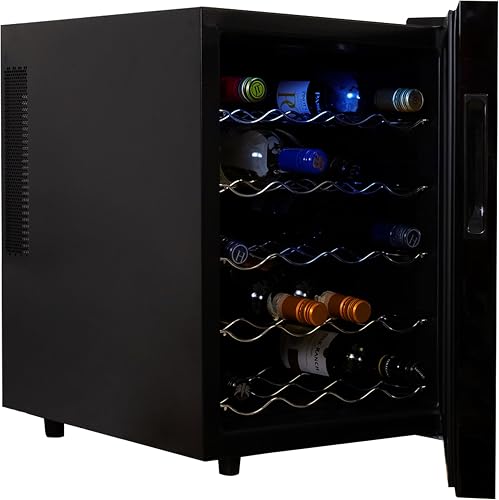
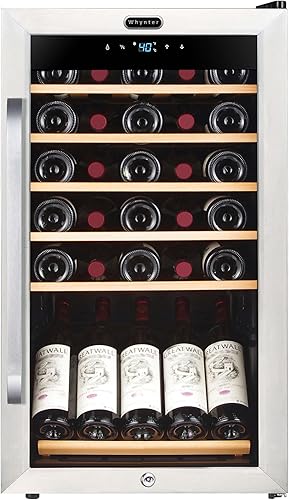

Wine Cooler Types: Thermoelectric vs Compressor
The first big decision is the cooling system. Thermoelectric coolers are quiet, energy efficient, and vibration free, but they cannot cool below about 54°F and are affected by room temperature. They are ideal for short term storage of wines you will drink within months. Compressor coolers work like a mini fridge, reaching lower temperatures and maintaining steady conditions regardless of ambient heat. They cost more and produce some vibration, but they handle larger capacities and dual zone setups. For aging wine long term, a compressor unit is almost always the better choice.
Capacity: How Many Bottles Do You Need?
Wine coolers range from small 12-bottle countertop models to massive 188-bottle cellar units. Think about your drinking habits. A 12-bottle cooler like the NutriChef PKCWC12 (4.3 stars, 1,100 reviews) suits casual drinkers who buy a few bottles at a time. For bigger households or collectors, a 24-bottle unit such as the Koolatron WC24 (4.3 stars, 294 reviews) holds enough to always have a selection ready. If you are building a serious collection, consider a 49-bottle Avanti WCR496DS or even a 52-bottle COSMO COS-24BIWCS. Remember that advertised capacity is for standard Bordeaux bottles; larger bottles or Champagne flutes take up more space.
Installation: Freestanding, Built In, or Countertop?
Where you place the cooler matters. Freestanding units like the Koolatron WC20 (4.3 stars, 964 reviews) need airflow around the sides and back, so they cannot be enclosed. Countertop models are very small and sit on a table or counter. Built in coolers such as the Avanti WCR496DS (3.8 stars, 5 reviews) can slide into a cabinet cutout, but they require front ventilation. Always check manufacturer specs for clearance. A built in unit in a sealed cabinet without proper airflow will overheat and fail. The Whynter FWC-341TS (4.1 stars, 300 reviews) is freestanding and popular for undercounter use if you allow rear clearance.
Temperature Control and Zones
Quality wine coolers offer precise temperature control, usually from 41°F to 64°F. Some have dual zones, allowing you to store reds and whites at different temperatures in the same unit. Single zone is fine if you mostly drink one type. Look for digital controls and a display that shows actual temperature. The Koolatron WC12 (4.3 stars, 176 reviews) has a simple thermostat, while the Whynter FWC-1201BA (4.5 stars, 13 reviews) offers more precise digital control. For long term satisfaction, a unit with good temperature stability and minimal fluctuation is key.
Noise and Vibration Levels
Compressor coolers hum, thermoelectric coolers are nearly silent. If your cooler is in a living room or open kitchen, noise matters. The Whynter FWC-341TS gets good feedback for being relatively quiet for a compressor model. Vibration can disturb sediment in aging wine, so some enthusiasts prefer thermoelectric for long term storage. However, modern compressor coolers have dampened compressors that reduce vibration to acceptable levels. Read reviews for comments on noise, especially if the unit will be near a bedroom or home theater.
Price and Long Term Value
Wine coolers range from under $250 to over $4,000. A budget thermoelectric model like the Koolatron WC20 at $283.78 is excellent for casual use. Midrange compressor units like the Whynter FWC-341TS at $319.99 offer great value for their features and capacity. Higher end models such as the Avanti WCR496DS at $999.99 or the COSMO COS-24BIWCS at $1,013.99 add capacity and build quality. For most buyers, spending between $250 and $400 gets a reliable cooler that will last for years if maintained. Avoid the cheapest options, as they often have poor temperature control and short lifespans.
What Owners Say After Months of Use
Looking at review patterns, the common praise for well rated coolers like the NutriChef PKCWC12 (4.3 stars, 1,100 reviews) is that they maintain temperature well and look good. The Koolatron WC20 with 964 reviews is popular for its quiet operation and ease of use. The Whynter FWC-341TS (300 reviews, 4.1 stars) gets compliments on its sleek design and effective cooling. Common complaints across many models include doors that do not seal perfectly, louder than expected compressors, and inaccurate thermostats. Reading the latest reviews, especially those with photos, gives you a realistic picture of long term satisfaction.
Frequently asked questions
Can I use a wine cooler as a regular refrigerator?
No. Wine coolers are designed for higher humidity and temperatures between 41°F and 64°F, which is too warm for perishable foods like dairy or meat. They also lack freezer compartments. Stick to a standard refrigerator for everyday groceries.
What size wine cooler do I need for 20 bottles?
A cooler rated for 20 to 24 bottles will comfortably hold 20 standard bottles. The Koolatron WC20 (20 bottles) or Koolatron WC24 (24 bottles) are good options. Remember that if you store larger bottles, actual capacity is less.
Do thermoelectric wine coolers fail in hot rooms?
Thermoelectric units can struggle if ambient temperature exceeds 80°F. They cool only about 18°F below room temperature. In a hot kitchen or garage, a compressor cooler is more reliable for maintaining proper wine storage temperatures.
How long do wine coolers typically last?
With proper maintenance, a quality compressor wine cooler lasts 5 to 10 years. Thermoelectric units may have a shorter lifespan, around 3 to 5 years, because their cooling modules wear out faster. Regular cleaning of coils and seals extends life.