Wine Cooler Maintenance: The Routine That Keeps Your Bottles at Steady Temperature
A no-nonsense upkeep routine for wine cooler maintenance, so your unit holds a stable temperature, runs quietly, and protects the bottles you've invested in.
Good wine cooler maintenance is mostly about preventing small problems from becoming expensive ones. A wine cooler is a low-vibration, tightly sealed cabinet built to hold a narrow temperature band for months at a time, and it rewards a little routine attention with years of quiet, reliable service. Neglect it, and you get warm spots, a compressor that runs constantly, and bottles that age unevenly or develop pushed-up corks.
The good news is that the upkeep takes minutes, not hours. Keep the interior and gasket clean, give the unit room to breathe, control vibration, and run a short check each season. Below is the routine that covers all of it, plus the warning signs that mean it's time to act and what to do when a unit is simply too far gone to keep limping along.

Clean the interior on a gentle, regular schedule
The inside of a wine cooler stays cleaner than a kitchen fridge because you rarely store food in it, but it still needs attention. Every two to three months, unplug the unit, remove the bottles to a cool spot, and lift out the shelves. Wipe the interior with a cloth dampened in warm water and a little mild dish soap, then go over it again with plain water so no soap residue lingers, and dry it before reloading. Avoid bleach, ammonia, or strongly scented cleaners: a wine cooler is a sealed cabinet, and harsh fumes can linger and taint the air around the corks. Wash the shelves separately and let them dry fully. The whole job takes about fifteen minutes and prevents the musty, stale smell that develops in any closed box that's never opened up and aired out.
Care for the door gasket, the part that does the quiet work
The rubber gasket around the door is the single most important component for holding temperature, and it's the one owners ignore most. A clean, supple gasket forms an airtight seal; a grimy or hardened one lets cold air leak out and warm room air seep in, which forces the compressor or thermoelectric module to run far longer than it should. Wipe the gasket with warm soapy water every time you clean the interior, paying attention to the folds where dust and spills collect. To test the seal, close the door on a slip of paper and tug: if it slides out with almost no resistance, the gasket isn't sealing in that spot. A light coat of food-safe silicone or a thin film of petroleum jelly can restore flexibility to a stiff gasket and buy you time before a replacement is needed.
Keep airflow clear inside and out
A wine cooler sheds heat through vents, and blocking them is one of the fastest ways to shorten its life. For a freestanding unit, leave several inches of clearance at the back and sides so the warm air it expels can escape; boxing it tightly into a cabinet traps that heat and makes the interior run warm no matter what the dial says. A built-in model is designed to vent from the front, usually through a grille at the base, so keep that grille clear of dust and never seal it off. Inside the cabinet, don't pack bottles so tightly against the rear wall that you choke the airflow path; cold air needs to circulate across every shelf for the temperature to stay even from top to bottom. If one zone of your collection always runs warmer, blocked airflow is the usual culprit before you blame the thermostat.
Handle the filter and humidity features
Not every wine cooler has a carbon filter, but many mid-range and premium models do, and it's an easy item to overlook. The filter scrubs odors from the recirculating air so they don't reach the corks; depending on the model, it's replaced roughly once a year. Check your manual for the location, often a small cylinder near a top vent, and order the correct replacement rather than skipping it. Some units also include a humidity reservoir or tray meant to keep the air moist enough that natural corks don't dry out and shrink. If yours has one, top it up with a little water during your seasonal check and wipe it clean so it doesn't grow anything. Dry air is the enemy of long-term cork storage, so these small features matter more than their size suggests for any wine you intend to keep for years.
Control vibration to protect the wine
Steady temperature gets the attention, but vibration quietly works against aging wine by disturbing the sediment and accelerating chemical reactions in the bottle. A few habits keep it in check. Make sure the unit sits dead level on a solid floor; a wobble lets the cabinet rattle every time the compressor cycles. Check that the leveling feet are firmly planted and adjust them if the floor is uneven. Don't set the cooler against a wall that carries vibration from a washing machine or HVAC unit, and resist the urge to perch anything heavy on top. Compressor models naturally vibrate more than thermoelectric ones, which is why some serious collectors prefer the quieter thermoelectric design for long-term storage, though it cools a smaller range. Either way, a level, isolated, undisturbed unit is kinder to the bottles inside.
Run a five-minute seasonal check
Four times a year, walk through a short checklist that catches trouble early. Verify the temperature with an independent thermometer placed inside for a few hours, since a drifting built-in display is a common and easily missed fault; reds generally store well in the mid-fifties Fahrenheit and whites a touch cooler. Listen to the unit during a cooling cycle: a new rattle, a buzz, or a compressor that never seems to switch off all point to a problem worth investigating before it worsens. Look at the back: if your model has exposed condenser coils, a gentle vacuum of the dust helps it shed heat efficiently and cuts running cost. Finally, glance at the bottles themselves. Pushed-up or weeping corks suggest the temperature has been swinging, and a quick check now can save a case of wine later.
Know when maintenance can't fix it
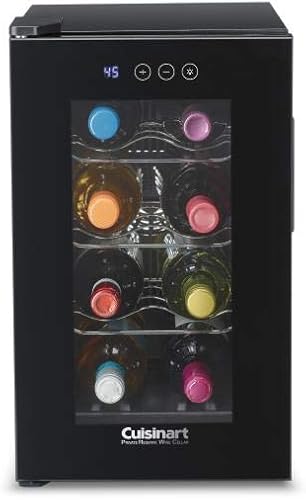
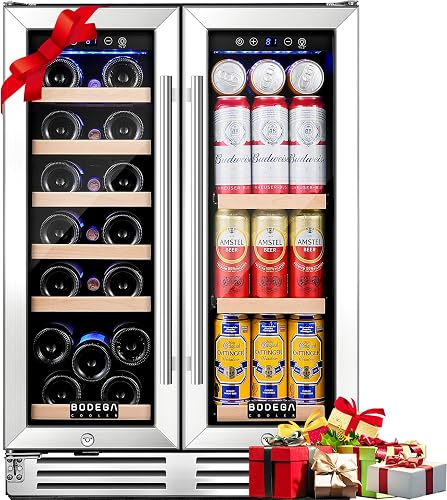
Upkeep extends a wine cooler's life, but it can't resurrect a failing one, and recognizing that line saves money. If the compressor runs nonstop yet the interior won't reach the set temperature, if the unit is noticeably louder than it used to be despite a level floor and clean coils, or if a gasket replacement and a thorough clean still leave you with warm spots, the cooling system itself is likely on the way out. On compact and mid-range units, a failed compressor often costs more to repair than the cabinet is worth, so replacement is the sensible call. If you've reached that point, or you're simply ready to upgrade to a unit with steadier temperature control and lower vibration, our wine coolers hub ranks current models by capacity, cooling type, and verified buyer demand. Dependable, well-reviewed picks like the Cuisinart CWC-800CEN, the dual-zone BODEGA JC-115DR, and the KoolMore KM-CWB24-WPR are good reference points across sizes as you build a shortlist.
Frequently asked questions
How often should I clean a wine cooler?
A light interior and gasket clean every two to three months is plenty for most units, since you rarely store food inside. Unplug it, remove the bottles and shelves, wipe everything with mild soapy water followed by plain water, and dry it before reloading. More frequent wiping only matters if you've had a spill or notice an odor.
Do I need to replace the filter in my wine cooler?
Only if your model has one. Many mid-range and premium coolers include a small carbon filter that scrubs odors from the recirculating air, and it's typically replaced about once a year. Check your manual for whether yours has a filter and where it sits, then order the correct replacement rather than skipping it.
Why does vibration matter for wine storage?
Vibration disturbs the sediment in a bottle and can speed up chemical reactions, which works against wine you intend to age. Keep the cooler level on a solid floor, make sure the leveling feet are planted, and avoid placing it against a wall that carries vibration from appliances. Thermoelectric models vibrate less than compressor ones.
When is it cheaper to replace a wine cooler than repair it?
When the cooling system itself fails. If the compressor runs nonstop but won't hit the set temperature, or warm spots remain after a clean and a new gasket, the repair often costs more than a compact or mid-range cabinet is worth. At that point, replacing the unit is usually the sensible move.